

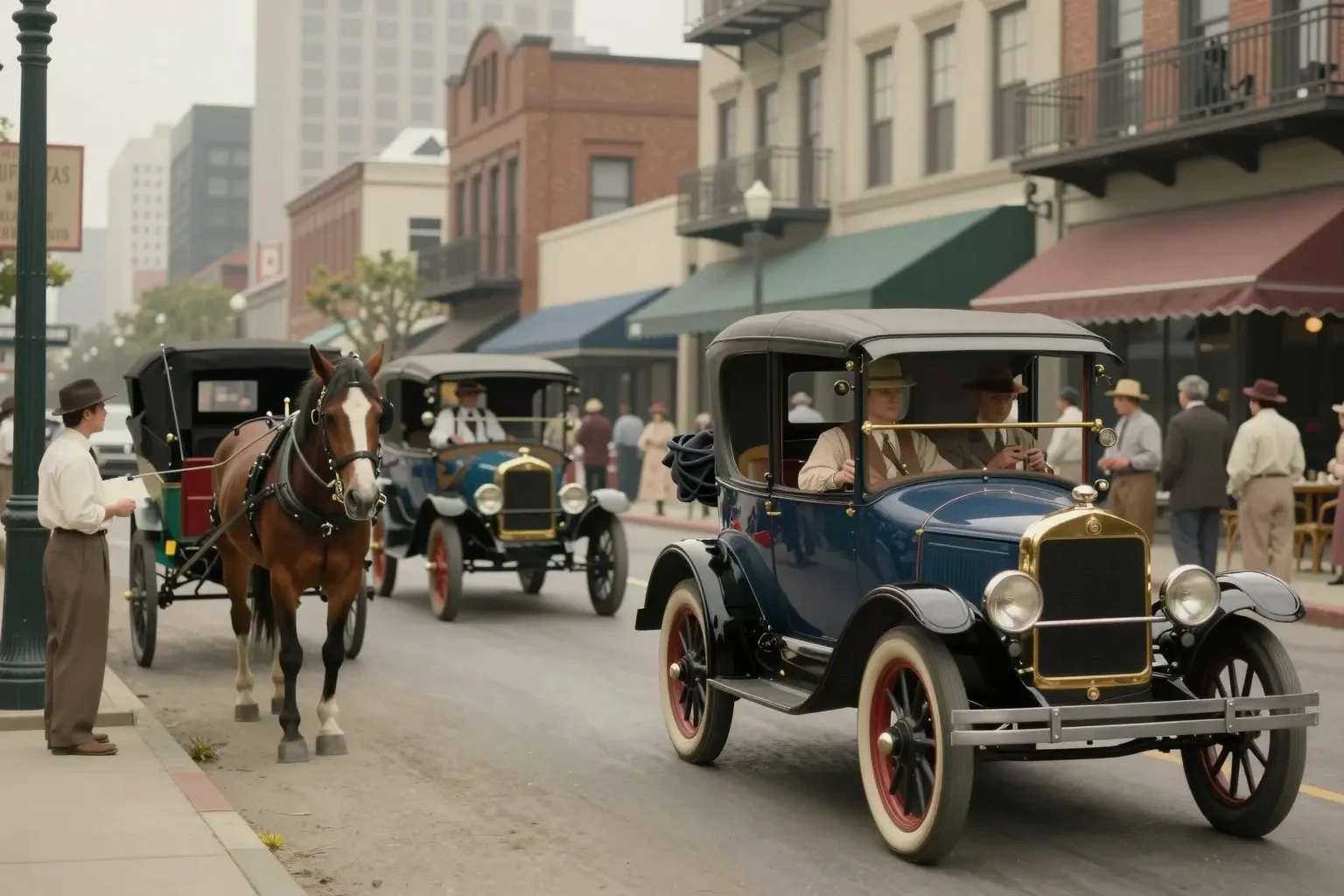
The 1920s were a transformative decade for transportation‚ particularly with the rise of the automobile․ This era‚ often referred to as the Jazz Age and the Flapper Era‚ saw significant changes in how people traveled‚ influenced by innovations like the Model T and the emergence of a new car culture․
The Rise of the Model T and Mass Production
Central to the transportation revolution was Henry Ford and his introduction of the assembly line․ This innovation made the Model T affordable‚ allowing for mass production of automobiles‚ which drastically reduced costs․ Ford’s vision democratized car ownership‚ making automobiles accessible to the average American and altering the landscape of transportation forever․
Economic Boom and Consumerism
The 1920s‚ known for its economic boom‚ saw a surge in consumerism․ People were eager to buy new products‚ and cars were at the forefront of this consumer revolution․ The availability of automobiles stimulated other industries‚ including steel‚ rubber‚ and glass‚ and led to the rise of roadside attractions catering to motorists․
The Evolution of Roads and Infrastructure
With more cars on the road‚ there was a pressing need for improved infrastructure․ The decade saw a shift towards paved roads and the development of early highways․ These improvements facilitated road trips and encouraged the exploration of the country‚ further embedding the automobile into American culture․
Impact on Urbanization and Public Transit
Cars significantly impacted urbanization‚ allowing cities to expand outwards and reducing reliance on public transit systems and railroads․ Suburban areas grew‚ changing the demographic landscape and contributing to the evolution of traffic signals to manage the increasing flow of vehicles․
Cultural Phenomena and the Automobile
The car became a symbol of freedom and modernity․ The 1920s were characterized by the rise of the jazz age‚ speakeasies‚ and cultural icons like The Great Gatsby․ Automobiles played a crucial role in these cultural shifts‚ providing the mobility needed for people to partake in this vibrant social scene․
Prohibition and Bootlegging
The era of prohibition also saw the use of automobiles in bootlegging․ Cars were modified to transport illegal alcohol‚ becoming an integral part of the underground economy․ This highlighted the car’s role not just in legitimate business and pleasure but also in illicit activities․
Car Culture and Classic Cars
The 1920s laid the foundation for the American car culture․ Automobiles became a status symbol and a personal statement․ The decade saw the emergence of classic cars‚ with designs that are still celebrated in today’s vintage automobiles community․
Transportation Evolution and the Automotive Industry
The automotive industry experienced unprecedented growth during this period․ The evolution of transportation was marked by innovations that paved the way for future advancements․ The car’s impact on society was profound‚ reshaping not only how people traveled but also how they lived and interacted․