

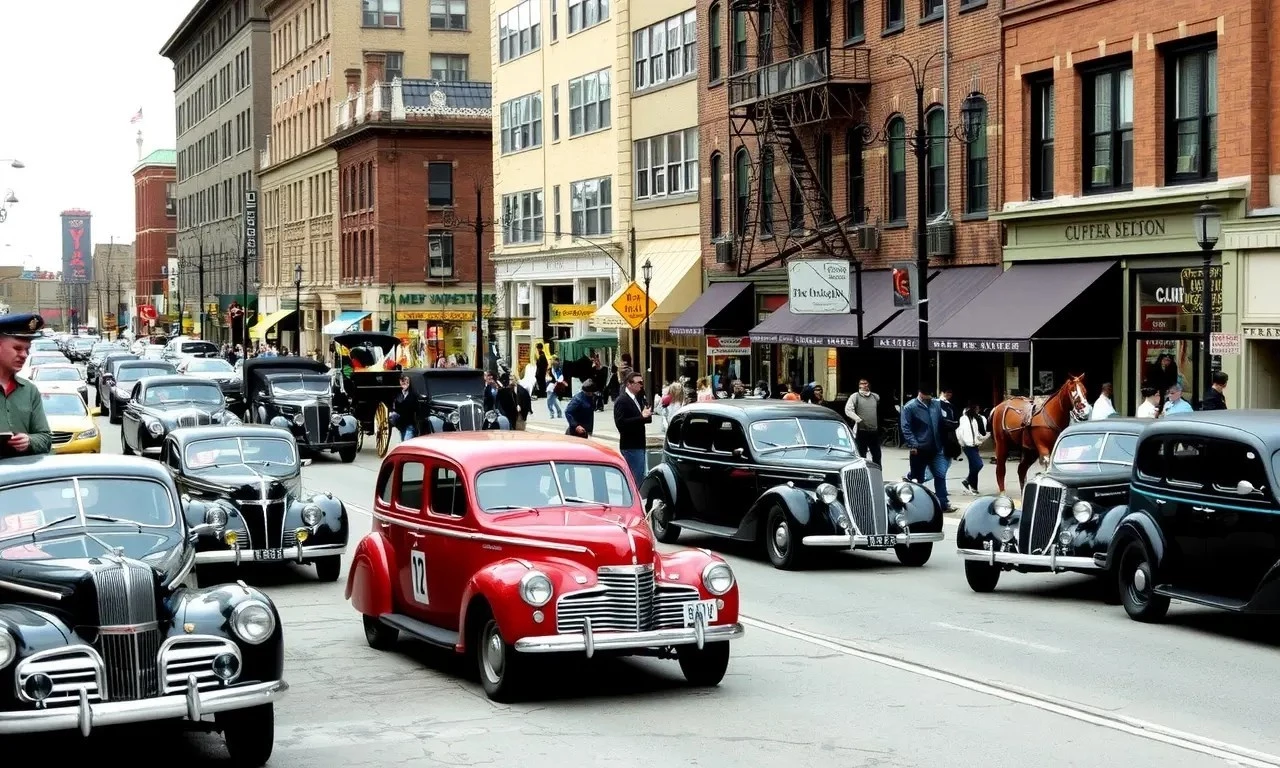
The dominance of automobiles as the primary mode of transportation is a multifaceted story that involves industrialization‚ urbanization‚ and significant changes in infrastructure and societal norms. The evolution of motor vehicles from luxury items to everyday necessities offers a window into the profound shifts in mobility and culture over the last century.
The Rise of Automobiles
The advent of mass production in the early 20th century‚ led by pioneers like Henry Ford‚ marked a pivotal moment in the history of automobiles. Ford’s introduction of the assembly line in 1913 revolutionized the automotive industry‚ making cars more affordable and accessible to the average person. The Model T‚ launched in 1908‚ is often credited with being the catalyst for this shift; By 1927‚ over 15 million Model Ts had been produced‚ a testament to the power of mass production.
This era of industrialization did not just change the way cars were made; it also transformed the landscape of transportation. The proliferation of personal vehicles led to a new paradigm of mobility‚ enabling people to travel greater distances with unprecedented convenience and comfort.
Infrastructure and Urbanization
As automobiles became more prevalent‚ the need for improved infrastructure became apparent. The early 20th century saw significant investments in road networks and highways‚ facilitating the rise of car culture. The construction of the U.S. Interstate Highway System‚ initiated in the 1950s‚ provided a backbone for national mobility‚ further cementing the car’s role in transportation.
This development was closely tied to urbanization and suburbanization. As cities expanded‚ the reliance on personal vehicles grew. Suburbs‚ offering more space and a different lifestyle‚ became accessible primarily because of the automobile. The daily commuting patterns we recognize today were largely shaped by this shift.
Public Transit vs. Personal Vehicles
Despite the rise of automobiles‚ public transit systems continued to play a critical role in urban centers. However‚ the convenience and flexibility offered by personal vehicles often overshadowed public transportation options. The societal preference for cars was influenced by several factors‚ including car culture‚ technological advancements‚ and the burgeoning middle class’s desire for independence and status.
Technology Advancements and Societal Change
Throughout the 20th century‚ technological advancements continually reshaped the capabilities and appeal of motor vehicles. Innovations such as automatic transmissions‚ power steering‚ and safety features like seat belts made cars more user-friendly and safer‚ encouraging more widespread adoption.
The societal changes accompanying the automotive revolution were profound. Cars enabled new forms of travel and leisure‚ altered living patterns‚ and even influenced economic structures. The automotive industry became a significant economic driver‚ creating jobs and fostering related industries.
Environmental and Traffic Concerns
However‚ the dominance of automobiles has not been without its challenges. Issues such as traffic congestion‚ environmental pollution‚ and urban sprawl have prompted calls for alternative transportation solutions. Public transit systems‚ cycling infrastructure‚ and pedestrian-friendly urban designs are being revisited as potential remedies to the downsides of car-centric planning.
The Global Perspective
While the car became dominant in the United States by the mid-20th century‚ other parts of the world have experienced different trajectories. In Europe and Asia‚ for instance‚ public transit has maintained a stronger foothold due to factors like higher population densities and historical investments in rail networks.
Nevertheless‚ the global spread of the automobile culture continues‚ driven by economic development and the aspirational allure of personal vehicles.
The Future of Transportation
Looking ahead‚ the automotive industry is once again on the cusp of transformation. The rise of electric vehicles‚ autonomous driving technology‚ and shared mobility solutions like ride-sharing services are reshaping the landscape. These changes could potentially redefine what it means for cars to be the dominant form of transportation.
As society grapples with climate change and sustainability challenges‚ the future of mobility will likely require a balance between personal freedom and environmental responsibility.