

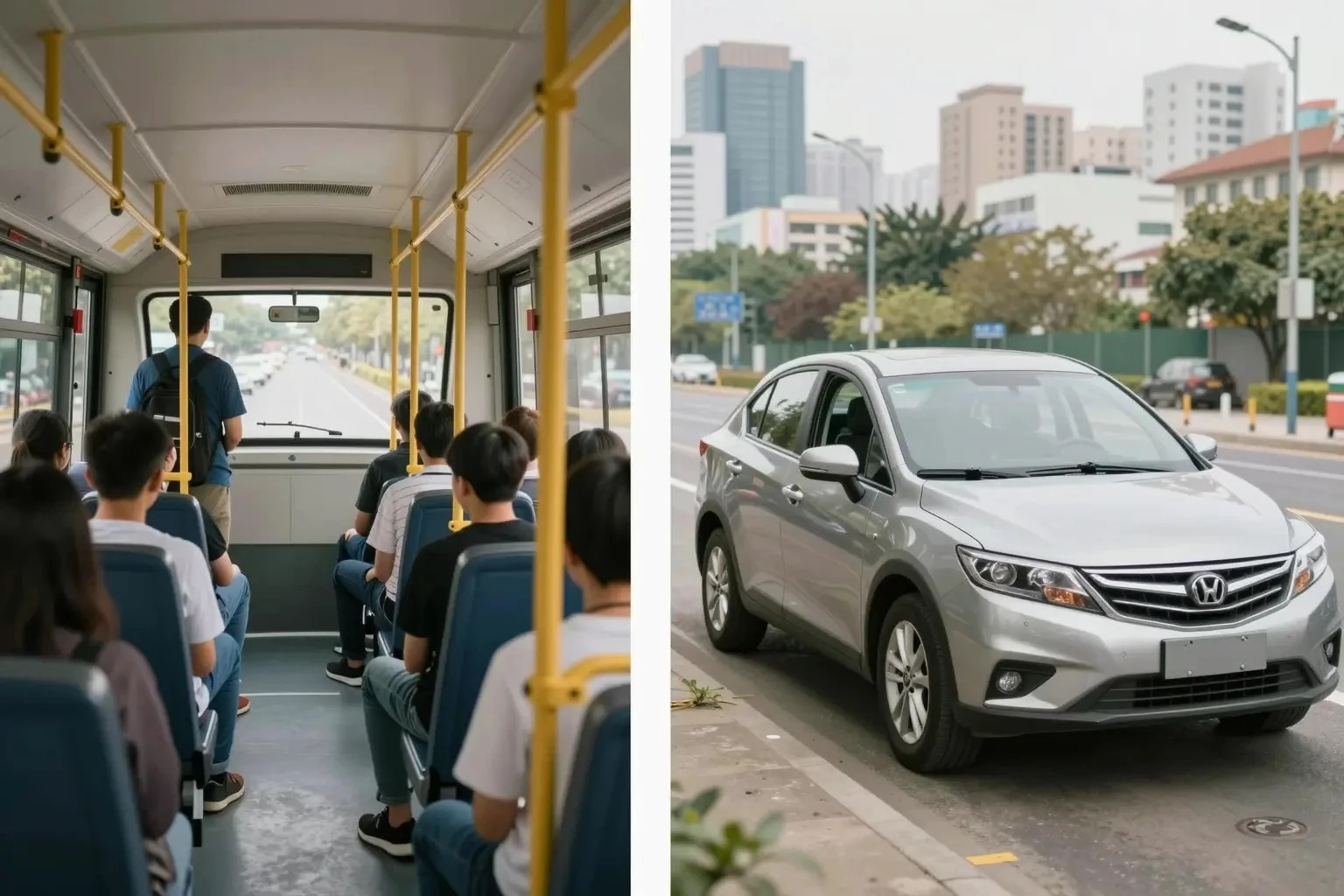
Public transport and car expenses present unique challenges for commuters‚ including cost comparison‚ convenience‚ travel time‚ and environmental impact‚ influencing transportation choices.
1.1 Overview of the Cost Debate
The debate over whether public transport is more expensive than owning a car involves various factors and perspectives. Public transport costs are typically associated with ticket prices‚ while car expenses encompass fuel prices‚ maintenance costs‚ and insurance. The costs of commuting can vary significantly based on individual circumstances‚ geographic location‚ and available infrastructure. In urban areas‚ traffic congestion can impact travel time and convenience‚ influencing the perceived value of each option. Subsidies and urban planning initiatives can further affect the financial dynamics of each choice. Understanding the nuances of the cost debate helps commuters make informed decisions about their budget and alternative transportation options.
1.2 Importance of Understanding Transportation Costs
Understanding transportation costs is crucial for making informed commuting choices. The economic factors influencing public transport and car expenses significantly affect personal budgets and overall financial planning. Knowledge of fuel prices‚ maintenance costs‚ and insurance is essential for evaluating the true cost of car ownership. On the other hand‚ awareness of public transit fares and possible subsidies can guide decisions for those considering alternative transportation methods. Additionally‚ understanding the broader implications‚ such as the environmental impact and effects on traffic congestion‚ enhances decision-making regarding convenience and sustainability. Thus‚ a comprehensive understanding helps balance personal needs with broader societal considerations.
Public Transport vs Car: An Initial Cost Comparison
Evaluating public transport and car expenses involves examining fares‚ fuel prices‚ maintenance‚ and insurance‚ highlighting differences in commuting costs and economic factors;
2.1 Assessing Car Expenses
Assessing car expenses requires a comprehensive analysis of several key components. Fuel prices play a significant role‚ fluctuating based on global economic factors and regional variances. Additionally‚ maintenance costs are inevitable‚ encompassing routine services‚ repairs‚ and part replacements that accrue over time. Insurance is another critical aspect‚ with premiums varying according to coverage‚ driving history‚ and location. These expenses collectively contribute to the overall financial commitment required for car ownership. While some costs are predictable‚ unexpected repairs or insurance rate hikes can strain a budget. Thus‚ understanding these elements is essential for individuals considering a car as their primary mode of transportation‚ ensuring they make financially sound decisions.
2.2 Evaluating Public Transit Fares
Evaluating public transit fares involves examining several influencing factors‚ including ticket prices‚ service coverage‚ and available subsidies. Public transit fares can vary widely depending on the city‚ distance traveled‚ and type of service‚ such as buses‚ trains‚ or subways. Some cities offer discounted rates for frequent travelers‚ students‚ or seniors‚ impacting overall costs. Subsidies from governments or local authorities can significantly reduce the expense for commuters‚ making public transport a more attractive option financially. Additionally‚ factors like service frequency and convenience influence the perceived value of public transport. Understanding these aspects allows commuters to make informed decisions about their transportation choices while considering their budget and needs.
Detailed Analysis of Car Expenses
Analyzing car expenses involves examining fuel prices‚ maintenance‚ insurance costs‚ and other factors impacting the overall cost of car ownership and commuting.
3.1 Fuel Prices and Their Impact
Fuel prices significantly influence the overall cost of car ownership and commuting expenses. Fluctuations in fuel prices can result from global economic factors‚ geopolitical tensions‚ and supply chain disruptions‚ directly affecting drivers’ budgets. High fuel costs can lead to increased daily expenses‚ making car travel less economically viable. For some‚ rising fuel prices necessitate a shift towards alternative transportation methods or more fuel-efficient vehicles. Additionally‚ regional price variations mean that drivers in different areas may experience disparate financial impacts. Understanding these dynamics helps commuters plan their budget effectively‚ balancing convenience with financial considerations‚ and determining whether public transport might offer a more economical commuting option.
3.2 Maintenance Costs
Maintenance costs are a critical component of car expenses‚ impacting the financial burden of ownership. Regular maintenance includes oil changes‚ tire rotations‚ and brake inspections‚ which are necessary to ensure vehicle longevity and performance. Unexpected repairs‚ such as engine troubles or transmission issues‚ can further escalate costs. The frequency and scale of these expenses depend on vehicle age‚ usage‚ and model‚ with older cars typically incurring higher maintenance costs. Additionally‚ labor charges and parts prices vary by location‚ influencing overall expenses. Understanding maintenance requirements and their financial implications is vital for prospective car owners‚ assisting them in assessing whether public transport could be a more cost-effective alternative for daily commuting.
3.3 Insurance Costs
Insurance costs represent a significant portion of car expenses‚ with premiums affected by numerous factors. These include the driver’s age‚ driving record‚ location‚ and the vehicle’s make and model. Additionally‚ the level of coverage chosen affects the overall insurance expense‚ with comprehensive policies typically costing more. Variations in regional regulations and competition among insurers can also influence rates. For young or inexperienced drivers‚ premiums can be particularly high‚ impacting their overall financial commitment to car ownership. Understanding these dynamics helps potential car owners gauge the true cost of maintaining a vehicle. Weighing these insurance expenses against public transport options can guide commuters in making financially prudent transportation decisions.
Factors Affecting Public Transport Costs
Public transport costs are influenced by ticket prices‚ subsidies‚ economic factors‚ and infrastructure‚ impacting affordability and accessibility for commuters.
4.1 Ticket Prices and Subsidies
Ticket prices are a primary factor in evaluating public transport costs‚ varying widely based on geography‚ service type‚ and distance. Subsidies‚ often provided by government entities‚ can significantly reduce these fares‚ making public transport more accessible and affordable for a wider audience. These subsidies aim to encourage the use of alternative transportation methods‚ reducing traffic congestion and environmental impact. Discounted fares for students‚ seniors‚ and low-income individuals are additional measures that affect ticket pricing. Understanding the interplay between ticket costs and subsidies is crucial for commuters assessing the economic viability of public transport. Such knowledge ensures informed decision-making regarding daily commuting expenses compared to the costs associated with car ownership.
4.2 Economic Factors and Public Transit
Economic factors significantly influence public transit operations and costs‚ impacting service availability and fare pricing. Economic health‚ inflation rates‚ and government funding levels affect the resources allocated to public transport systems. During economic downturns‚ reduced funding can lead to service cuts or fare increases‚ challenging affordability and accessibility. Conversely‚ economic growth may lead to enhanced support for infrastructure improvements and subsidies‚ facilitating more affordable transit options. International trade dynamics and fuel prices also play a role‚ affecting operational costs and budget allocations. Understanding these economic influences is essential for commuters‚ guiding decisions on using public transport versus other commuting options‚ like car ownership‚ amidst changing economic landscapes.
Commuting Time and Convenience
Commuting time and convenience are crucial factors when comparing public transport and car travel‚ influencing overall satisfaction and decision-making for commuters.
5.1 Travel Time Comparisons
Travel time comparisons between public transport and car travel are pivotal in assessing commuting efficiency. Car travel often offers flexibility and direct routes‚ potentially reducing travel time‚ especially in less congested areas. However‚ in urban settings with significant traffic congestion‚ cars may experience delays‚ making public transport a faster alternative. Public transport benefits from dedicated lanes and schedules‚ though waiting and transfer times can extend total travel duration. The choice between these options depends on factors like route efficiency‚ peak hours‚ and service frequency. Understanding these dynamics helps commuters balance travel time with convenience and cost‚ optimizing their daily routines and ensuring a satisfactory commuting experience.
5.2 Convenience of Public Transport vs Car
The convenience of public transport compared to car travel hinges on several factors‚ including accessibility‚ flexibility‚ and personal preferences. Public transport offers the advantage of avoiding traffic congestion and parking challenges‚ often providing predictable schedules and routes. However‚ it may require additional time for transfers and waiting‚ potentially reducing convenience for some commuters. In contrast‚ cars provide flexibility in terms of departure times and route choices‚ catering to personalized travel needs‚ but can be costly due to fuel prices‚ maintenance costs‚ and parking fees. Ultimately‚ the choice between these options depends on individual priorities‚ such as budget constraints‚ environmental concerns‚ and the value placed on time and convenience.
Environmental Impact and Urban Planning
Public transport and cars have different environmental impacts‚ influencing urban planning strategies focused on sustainability‚ infrastructure‚ and reducing traffic congestion.
6.1 Environmental Benefits of Public Transport
Public transport offers significant environmental benefits by reducing individual car use‚ thus lowering carbon emissions and air pollution. Trains‚ buses‚ and subways‚ especially those powered by electricity or alternative fuels‚ have a smaller carbon footprint per passenger compared to traditional cars. By decreasing the number of vehicles on the road‚ public transport eases traffic congestion‚ further minimizing emissions from idling vehicles. This shift supports cleaner urban environments and promotes public health. Additionally‚ increased public transport use can drive investments in infrastructure‚ enhancing service efficiency and sustainability. Emphasizing these benefits aligns with modern urban planning goals‚ encouraging a transition towards more environmentally responsible commuting practices.
6.2 Role of Urban Planning and Infrastructure
Urban planning and infrastructure development play a critical role in shaping the efficiency and appeal of public transport systems. Effective planning ensures accessible and convenient transit options‚ reducing reliance on personal vehicles and supporting sustainable growth. Investments in robust infrastructure‚ such as dedicated bus lanes‚ rail networks‚ and integrated transit hubs‚ enhance service reliability and capacity. Well-designed urban layouts prioritize pedestrian and cyclist accessibility‚ seamlessly integrating public transport into daily commutes. These strategies not only mitigate traffic congestion but also promote environmental sustainability and economic vitality. Understanding the interplay between urban planning and transport infrastructure helps policymakers and citizens advocate for systems that balance cost‚ convenience‚ and ecological impact.
Choosing between public transport and car involves evaluating costs‚ convenience‚ and environmental impact‚ guiding commuters to make informed‚ sustainable travel decisions.
7.1 Summary of Key Findings
This analysis reveals that the comparison between public transport and car expenses is multifaceted‚ with each option presenting distinct financial and practical implications. Car expenses encompass fuel prices‚ maintenance costs‚ and insurance‚ often resulting in higher recurring expenditures. Conversely‚ public transit fares can be mitigated by subsidies and discounted tickets‚ offering a potentially more economical alternative. Travel time and convenience vary based on location and infrastructure‚ influencing commuter preferences. Additionally‚ the environmental impact of each mode significantly affects urban planning strategies. Ultimately‚ understanding these key findings assists individuals in making informed decisions that align with their budget‚ lifestyle‚ and sustainability goals.
7.2 Recommendations for Future Commuters
Future commuters should carefully evaluate their specific needs and circumstances when choosing between public transport and car travel. Consider factors such as budget‚ travel time‚ and convenience. For those prioritizing cost-efficiency‚ exploring public transit options with available subsidies may offer significant savings. Additionally‚ assess the environmental impact of each choice‚ opting for sustainable options when feasible. Stay informed about regional developments in urban planning and infrastructure improvements‚ which can enhance commuting experiences. Technology‚ such as mobile apps‚ can aid in navigating transit schedules efficiently. Ultimately‚ making informed decisions will help balance personal preferences with broader societal goals‚ ensuring a more sustainable and cost-effective commuting future.