

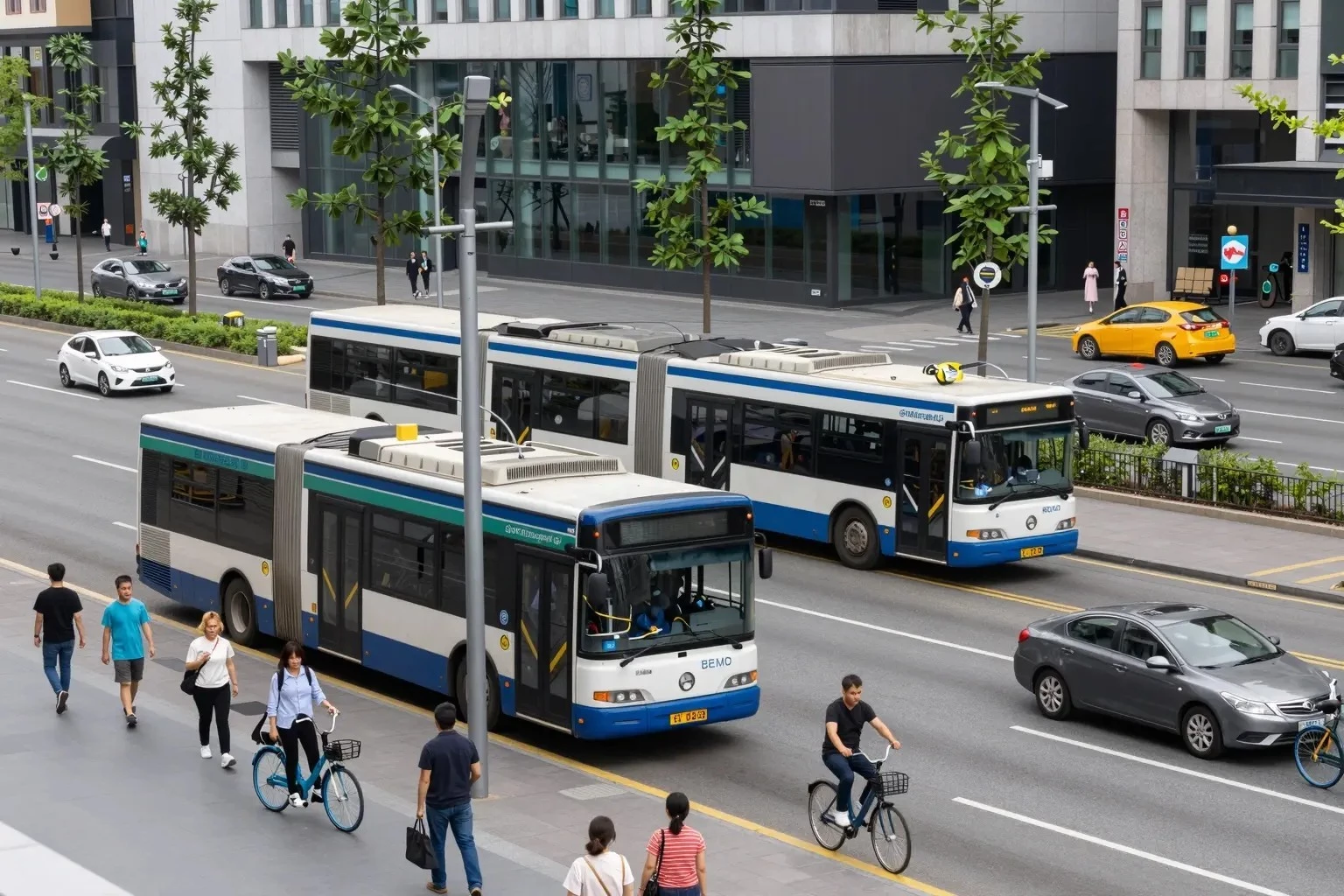
The debate over whether public transport or cars are better centers around sustainability, efficiency, cost-effectiveness, pollution, traffic congestion, urban planning, and accessibility.
Public Transport vs. Cars: An Overview
Comparing public transport and cars involves examining factors like sustainability, pollution, efficiency, cost-effectiveness, accessibility, traffic congestion, and different commuting experiences.
The Role of Public Transport
Public transport plays a crucial role in modern urban settings, offering a sustainable alternative to cars. It enhances accessibility by connecting remote areas with city centers, ensuring that various demographics can reach essential services and employment opportunities. By reducing individual car usage, it minimizes traffic congestion and lowers carbon emissions, contributing positively to the environment. Additionally, public transport systems like buses, trains, and subways provide a reliable means of commuting, often being more time-efficient during peak hours due to dedicated lanes or tracks. The infrastructure supporting public transport is designed to accommodate large numbers of passengers, reducing the wear and tear on roads compared to multiple individual vehicles. Financially, it offers a cost-effective solution for daily travel, with fares typically lower than the expenses related to car ownership. Overall, public transport is pivotal in promoting sustainability and improving urban living conditions.
The Prevalence of Cars
Cars have become an integral part of modern life, offering unparalleled convenience and accessibility for individuals. They provide the freedom to travel at any time without being bound by public transport schedules, making them especially popular in areas with limited infrastructure. While they contribute to traffic congestion and increased pollution, the personal convenience they offer often outweighs these concerns for many users. The rise of technologies like electric vehicles aims to address environmental impact by reducing carbon emissions and fuel consumption. Furthermore, cars often symbolize personal status and achievement, influencing their widespread adoption. Despite the cost-effectiveness of public transport, the perceived autonomy and flexibility of cars make them a preferred choice for many. In urban planning, the challenge lies in balancing the demands of car users with sustainable development goals, ensuring efficient and environmentally friendly city living.
Sustainability and Environmental Impact
Evaluating sustainability and environmental impact involves comparing public transport and cars in terms of carbon emissions, pollution levels, and overall fuel consumption efficiency;
Carbon Emissions
Carbon emissions are a critical factor when comparing public transport and cars. Generally, public transport systems produce significantly lower emissions per passenger than individual vehicles. For instance, buses and trains can accommodate a large number of passengers, distributing the fuel consumption and emissions over many individuals. This makes public transport a more sustainable option, particularly in densely populated urban areas. On the other hand, cars typically have higher emissions due to the lower number of passengers, contributing to increased carbon emissions and environmental degradation. Innovations in vehicle technology, such as electric and hybrid cars, aim to reduce these emissions, offering a greener alternative to traditional combustion engines. However, transitioning to such technologies requires significant investment and time. Therefore, enhancing and expanding public transport networks remains a vital strategy for mitigating the environmental impact of urban transportation.
Pollution Reduction
Reducing pollution is a significant advantage of public transport over cars. With fewer vehicles on the road, public transport systems like buses and trains help decrease harmful emissions, including nitrogen oxides, particulate matter, and volatile organic compounds. These pollutants contribute to air quality degradation and adverse health effects. By promoting public transport, cities can reduce the number of cars, subsequently lowering the overall pollution levels. Additionally, many public transport systems are transitioning to cleaner energy sources, such as electric buses and trains, further minimizing their environmental impact. In contrast, the widespread use of cars tends to exacerbate pollution problems, particularly in urban areas with high traffic congestion. While advancements in green vehicle technologies are promising, widespread adoption is still years away. Hence, reinforcing public transport infrastructure remains crucial for immediate and effective pollution reduction.
Efficiency and Convenience
Assessing efficiency and convenience involves comparing public transport and cars regarding commuting time, ease of travel, and adaptability to varying traffic congestion scenarios.
Commuting Time
Commuting time is a crucial consideration when comparing public transport and cars. In urban areas, public transport often offers an advantage during peak hours by utilizing dedicated lanes or tracks, helping passengers bypass traffic congestion and reducing travel time. Regular schedules and frequent services can make public transport a time-efficient option, especially for those living in well-connected areas. Conversely, cars provide flexibility in departure times, allowing travelers to leave at their convenience. However, in densely populated regions, traffic congestion can cause significant delays, making private car travel less efficient. Additionally, public transport offers passengers the opportunity to use travel time productively, such as reading or working. Ultimately, the choice between public transport and cars for commuting depends on individual priorities, such as flexibility, time efficiency, and the availability of reliable public transport options.
Traffic Congestion
Traffic congestion is a significant issue when considering the benefits of public transport versus cars. In densely populated urban areas, the prevalence of cars can lead to severe congestion, resulting in delays and increased fuel consumption. Public transport systems, such as buses and trains, can alleviate this problem by reducing the number of vehicles on the road. By carrying multiple passengers simultaneously, they optimize road space and contribute to smoother traffic flow. Dedicated bus lanes and train tracks further enhance their efficacy by bypassing congested routes. However, the effectiveness of public transport in mitigating traffic congestion depends on well-planned infrastructure and reliable service schedules. When properly implemented, public transport can significantly reduce congestion, leading to shorter commuting times and a more efficient urban transport system. This not only benefits individual travelers but also enhances overall urban mobility.
Cost-Effectiveness
Evaluating the cost-effectiveness of public transport versus cars involves comparing expenses such as fares and car ownership costs, including maintenance, fuel, and insurance.
Public Transport Costs
The cost-effectiveness of public transport is a major factor in its favor. Typically, using public transport is significantly cheaper than owning and maintaining a car. Fares for buses, subways, and trains are generally affordable and offer various discounts, such as monthly passes or student reductions, making daily commuting more economical. In contrast to the recurring expenses associated with car ownership—including fuel, insurance, maintenance, and parking—public transport presents a budget-friendly alternative. Moreover, the absence of parking fees and toll charges adds to its cost-effectiveness. While the initial investment in infrastructure and rolling stock can be high for municipalities, the long-term benefits, such as reduced traffic congestion and environmental impact, often justify the expenditure. Thus, for individuals and urban planners alike, public transport represents a financially viable solution for sustainable urban mobility.
Car Ownership Expenses
Owning a car entails significant financial commitments beyond the initial purchase price. Car ownership expenses include ongoing costs such as fuel consumption, maintenance, insurance, registration fees, and depreciation. Fuel prices fluctuate, impacting monthly budgets, while regular maintenance and unexpected repairs can add to financial strain. Insurance premiums vary based on factors like vehicle type, driving history, and coverage level, often representing a substantial recurring expense. Additionally, parking fees, tolls, and taxes contribute to the overall cost of car ownership. These expenses can accumulate over time, making cars a less cost-effective option compared to public transport. While cars offer convenience and flexibility, the financial burden may outweigh these benefits for some individuals. In contrast, public transport provides a more predictable and affordable alternative, appealing to those seeking to minimize their transportation-related expenditures.
Urban Planning and Infrastructure
Effective urban planning and infrastructure development are crucial in evaluating public transport and cars, focusing on system design, road networks, and their impact on city landscapes.
Public Transport Infrastructure
Public transport infrastructure is a cornerstone of sustainable urban mobility, designed to support the efficient movement of large numbers of people. This infrastructure includes elements like bus rapid transit systems, metro lines, tram networks, and dedicated bus lanes. Well-planned public transport infrastructure facilitates seamless connections between different modes of transport, improving accessibility and reducing commuting times. It also alleviates traffic congestion by encouraging people to opt for public transit over cars. Investments in this infrastructure not only enhance the efficiency and convenience of public transport but also contribute to a reduction in carbon emissions and pollution. Furthermore, modernizing and expanding transit systems can spur economic growth by creating jobs and stimulating development around transit hubs. Ultimately, robust public transport infrastructure is vital for fostering sustainable urban environments and improving the quality of life for residents.
Road Networks for Cars
Road networks for cars are integral to urban planning, providing the pathways necessary for vehicular travel. These networks include highways, arterial roads, local streets, and parking facilities, each designed to facilitate the flow of cars through urban and suburban landscapes. Effective road network design minimizes traffic congestion and enhances efficiency, allowing cars to move smoothly and reducing fuel consumption and pollution. However, maintaining and expanding these networks can be costly, involving expenses for construction, repairs, and upgrades. Moreover, roads dedicated primarily to cars often contribute to urban sprawl, increasing carbon emissions and environmental degradation. Balancing the demands of car traffic with sustainable development goals is a challenge for city planners. Encouraging mixed-use developments and integrating public transport options into road planning can help mitigate the environmental impact while meeting the mobility needs of urban populations.
Accessibility and Commuting
Exploring accessibility and commuting involves comparing how public transport and cars meet diverse mobility needs, focusing on convenience and reach across urban and suburban areas.
Accessibility of Public Transport
The accessibility of public transport is a vital component in determining its effectiveness and appeal as an alternative to cars. Well-designed public transport systems ensure that various communities, including those in remote or underserved areas, can access essential services, employment, and education. Features such as frequent service intervals, strategically located stops, and integration with other transport modes enhance the convenience and reach of public transport. Moreover, accessibility enhancements like ramps, elevators, and low-floor vehicles ensure that individuals with disabilities or mobility challenges can use the system independently. However, the level of accessibility often varies depending on investment in infrastructure and planning. Urban areas typically offer more extensive networks than rural regions, where public transport options might be limited. By improving and expanding public transport access, cities can promote sustainability and inclusivity, making it a viable choice for a broader segment of the population.
Convenience of Cars
The convenience of cars is a significant factor in their widespread use, offering unparalleled flexibility and autonomy. Unlike public transport, cars allow for direct, door-to-door travel without the restrictions of set schedules or routes. This convenience is particularly advantageous for individuals living in areas with limited public transport options or for those whose destinations are not easily accessible by other means. Cars also provide the comfort of a personal space, enabling users to transport goods, pets, or multiple passengers with ease. For families or individuals with specific needs, such as transporting equipment or frequent long-distance travel, cars offer a tailored solution that public transport often cannot match. However, this convenience comes with costs, including fuel consumption, maintenance, and traffic congestion. Despite these drawbacks, the convenience provided by cars continues to appeal to many, influencing urban mobility choices.
Fuel Consumption and Resource Use
Analyzing fuel consumption and resource use involves comparing public transport and cars to determine which option is more environmentally friendly and sustainable in urban settings.
Public Transport Fuel Efficiency
Public transport fuel efficiency is a key advantage over cars, especially in terms of sustainability and reducing environmental impact. Buses, trains, and trams can transport large numbers of passengers simultaneously, distributing fuel consumption across many individuals. This makes them inherently more fuel-efficient per passenger compared to individual cars. Additionally, many public transport systems are transitioning to cleaner energy sources, such as electric or hybrid vehicles, which further enhance their fuel efficiency and lower carbon emissions. This shift not only reduces dependency on fossil fuels but also aligns with global efforts to combat climate change. By investing in public transport infrastructure and encouraging its use, cities can significantly decrease their overall fuel consumption and promote a more sustainable way of living. Ultimately, the fuel efficiency of public transport is a compelling argument for its expanded role in urban mobility solutions.
Car Fuel Consumption
Car fuel consumption is a significant consideration when assessing the environmental and economic impact of cars compared to public transport. On a per-passenger basis, cars generally consume more fuel than public transport options like buses or trains. This higher consumption contributes to increased carbon emissions and reliance on fossil fuels. Factors such as engine efficiency, driving habits, and traffic conditions further influence fuel consumption, often leading to inefficiencies in urban planning settings plagued by traffic congestion. While advancements in vehicle technology, such as hybrid and electric cars, aim to reduce these impacts, widespread adoption is still in progress. The financial burden of fuel costs also adds to car ownership expenses, making cars a less cost-effective choice for many. By improving fuel efficiency and transitioning to alternative energy sources, the automotive industry can mitigate some environmental concerns, yet public transport remains a more sustainable option.
In determining whether public transport is better than cars, multiple factors must be considered, including sustainability, efficiency, cost-effectiveness, and environmental impact. Public transport offers significant advantages in reducing carbon emissions and pollution, contributing positively to urban infrastructure and alleviating traffic congestion. Its fuel efficiency and affordability make it a viable option for many. However, cars provide unmatched convenience and flexibility, crucial for those in areas with limited public transport access or for specific travel needs. While innovations in vehicle technology are promising, the widespread benefits of expanding public transport networks are undeniable. Ultimately, a balanced approach that integrates both cars and public transport within urban planning could offer the most comprehensive solution, enhancing accessibility, reducing fuel consumption, and promoting a more sustainable future.