

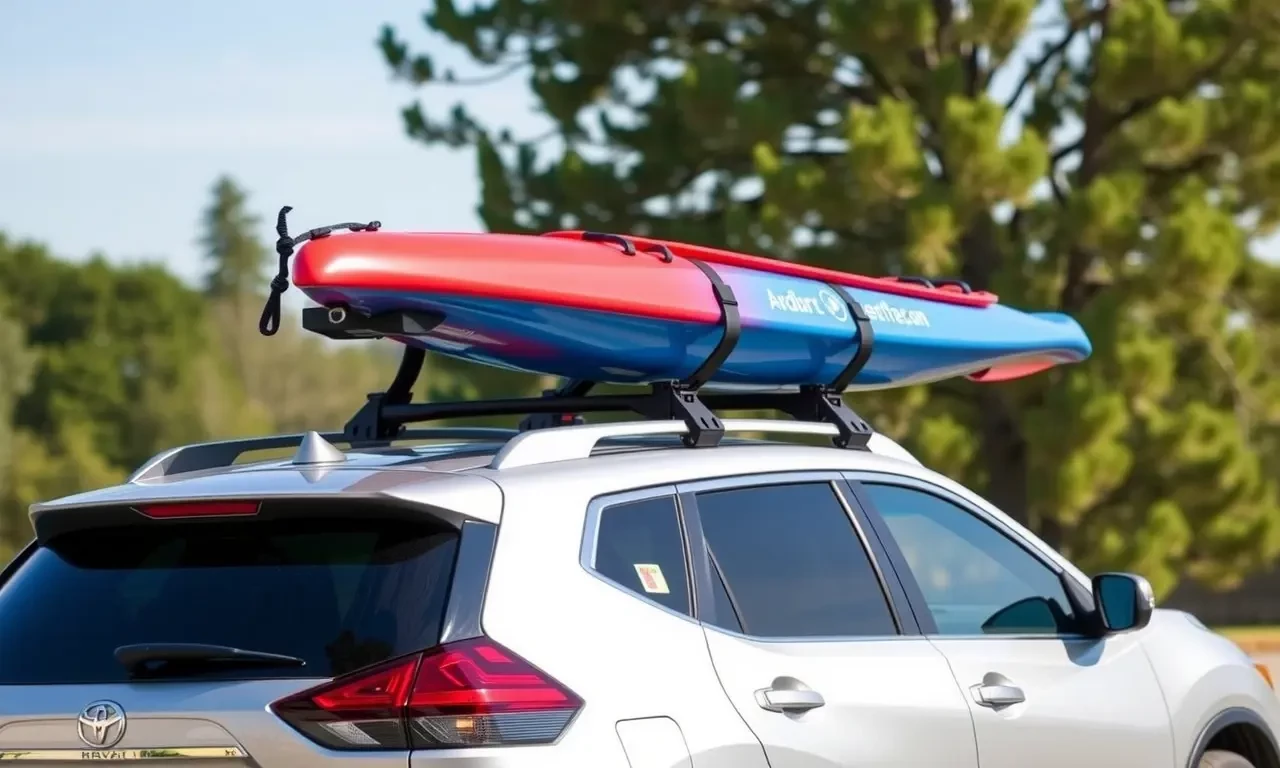
Transporting two kayaks on a car requires understanding kayak transportation essentials, including using a car roof rack, ensuring kayak weight distribution, and following necessary safety precautions․
Choosing the Right Car Roof Rack and Kayak Carrier
Selecting the appropriate car roof rack and kayak carrier is crucial for transporting two kayaks safely․ Firstly, consider the vehicle compatibility with various rack systems․ Ensure your car can accommodate the chosen crossbars and roof padding․ Different carriers, such as J-cradles and stackers, offer specific benefits․ J-cradles, for instance, provide a secure hold, optimizing kayak weight distribution․ Evaluate your vehicle roof capacity to prevent overloading․ Additionally, look for features that facilitate easy loading and unloading․ Consider investing in kayak accessories like tie-down straps and foam blocks for added security․ Properly fitted carriers ensure a secure attachment, preventing movement during transit and safeguarding your kayaks․
Preparing Your Vehicle and Kayaks
Ensure proper vehicle compatibility and inspect the roof capacity before loading․ Utilize kayak accessories to facilitate efficient loading and travel preparation․
Vehicle Compatibility and Roof Capacity
Before transporting two kayaks, assess your vehicle compatibility with roof racks and carriers․ Different vehicles have varying roof capacity, crucial for safe kayak transportation․ Check your vehicle’s manual to determine its load-bearing limits․ Ensure the car roof rack and crossbars are compatible with your vehicle model․ Overloading can damage the roof and compromise safety․ Consider the combined weight of the kayaks and the rack to stay within the capacity․ Inspect the roof’s condition; any dents or weaknesses can affect load-bearing capabilities․ Proper kayak weight distribution across the roof is essential to prevent imbalance․ Investing in roof padding can also protect your vehicle from scratches and pressure marks during transit․
Kayak Accessories and Loading Aids
Utilizing the right kayak accessories and loading aids can significantly enhance the process of transporting two kayaks on a car․ Invest in sturdy tie-down straps to secure the kayaks effectively, preventing movement during transit․ Foam blocks are essential for cushioning and protecting both the vehicle and the kayaks from scratches․ Consider J-cradles as they offer an ergonomic and secure way to hold the kayaks․ Kayak loading aids like rollers and lift systems can simplify the process, reducing physical strain․ Ensure all accessories are compatible with your car roof rack system․ Proper use of these tools contributes to a secure attachment, ensuring safe and efficient hauling kayaks․
Loading Techniques and Secure Attachment
Apply effective loading techniques to ensure secure attachment․ Balance kayak weight distribution on the rack and double-check all tie-down straps for firmness․
Using Tie-Down Straps, Foam Blocks, and J-Cradles
For effective kayak transportation, employing tie-down straps, foam blocks, and J-cradles is crucial․ Begin by placing foam blocks on the roof rack to prevent scratches and ensure stability․ Position the kayaks onto the J-cradles, which securely hold them in place, optimizing kayak weight distribution․ Use tie-down straps to fasten the kayaks to the car roof rack, ensuring they are tightly secured without excessive movement․ Check that the straps are not twisted, as this can reduce their effectiveness․ Regularly inspect the attachment points during travel for security․ This combination of accessories guarantees a secure attachment, minimizing risks during transit and preserving both the vehicle and kayaks․
Safety Precautions and Transportation Tips
When transporting two kayaks on a car, prioritize safety by adhering to key precautions․ Start by regularly checking the tie-down straps for any signs of wear or loosening․ Ensure kayak weight distribution is balanced to prevent swaying during transit․ Avoid sharp turns and sudden stops which can destabilize the load․ Before every journey, inspect the car roof rack and crossbars for signs of damage․ It’s also advisable to periodically stop during long drives to recheck secure attachment․ Always adhere to speed limits, as excessive speed can increase wind resistance and pressure on the kayaks․ These transportation tips ensure a safe and efficient journey, protecting both your vehicle and kayaks․