

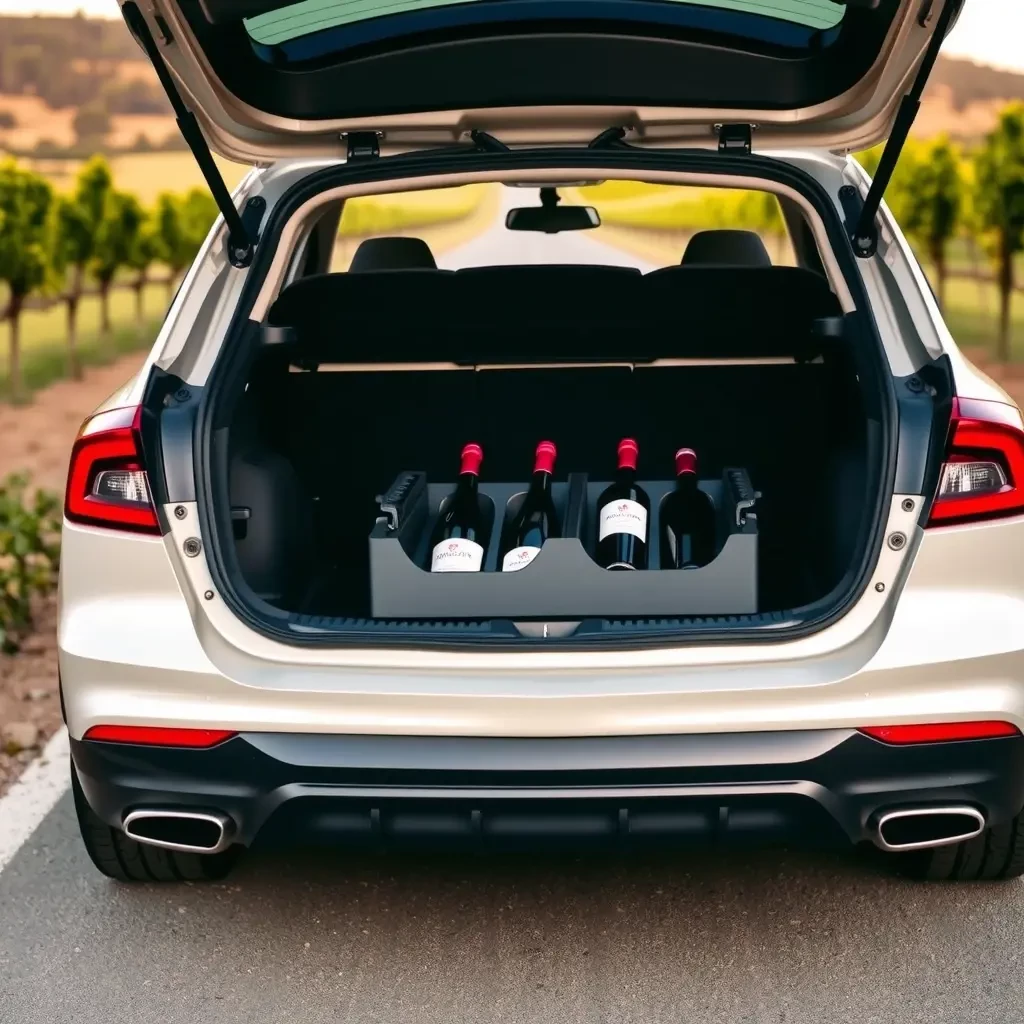
Transporting wine in a car requires attention to safety, secure storage, and cushioning. Consider proper packaging, temperature control, and vibration management to ensure fragile wine bottles remain undamaged during travel.
Understanding the Challenges of Wine Transportation
Transporting wine in a vehicle involves fragility concerns, managing temperature fluctuations, and minimizing vibration. Ensuring secure packaging and cushioning are essential for preventing damage during road trips.
Fragility of Wine Bottles
Wine bottles are inherently fragile due to their glass composition, necessitating careful handling during transportation. The risk of breakage is heightened by the bottle’s structure, which can easily shatter if impacted. Ensuring secure placement within the vehicle is crucial to avoid accidental contact with other objects. Utilizing cushioning materials like foam inserts or bubble wrap can help absorb potential shocks and minimize damage. Additionally, maintaining a stable arrangement within the car, such as placing bottles in a trunk or using a designated bottle carrier, can prevent shifting during travel. It’s essential to employ seatbelt restraints or other securing methods to hold the bottles in place. Considering the fragile nature of wine bottles, prioritize safety and protection to ensure your wine reaches its destination intact, ready for enjoyment. Careful planning and storage are key to preserving the integrity of your wine collection.
Sensitivity to Temperature Changes
Wine is highly sensitive to temperature changes, which can significantly affect its quality and taste. During transportation, maintaining a consistent climate within the vehicle is crucial to prevent spoilage. Exposure to extreme heat or cold can lead to oxidation, altering the wine’s flavor profile. To combat this, consider using insulation techniques such as thermal wraps or insulated packaging to shield the wine bottles from external temperature fluctuations. Positioning the wine in the trunk, away from direct sunlight, can help maintain a stable environment. Additionally, limit the duration of travel times to reduce the risk of exposure to adverse conditions. If possible, plan your journey during cooler parts of the day. By being mindful of temperature control, you can preserve the delicate balance of your wine collection, ensuring it remains in pristine condition upon reaching its destination.
Vibration and Movement Concerns
The journey of transporting wine in a vehicle poses specific challenges related to vibration and movement. These factors can disturb the sediment in wine bottles, particularly in aged wines, potentially altering the wine’s texture and taste. To mitigate these concerns, it is critical to employ proper cushioning and secure the wine bottles effectively. Utilizing specialized bottle carriers equipped with padding can absorb vibration and prevent bottles from moving or clinking together during travel. Additionally, placing the bottles longitudinally along the car’s axis, such as in the trunk, can minimize the impact of sudden stops or turns. Using seatbelt restraints to secure the bottle carrier or employing non-slip mats for additional stability can help ensure a secure journey. By addressing movement concerns, you can safeguard your wine’s integrity, ensuring it arrives ready for enjoyment without any unintended alterations;
Preparation for Wine Transport
Preparing for wine transport involves selecting the right vehicle, ensuring secure packaging, and arranging bottles to prevent vibration damage, ensuring safety and quality during travel.
Selecting the Right Vehicle
Choosing the appropriate vehicle for transporting wine is crucial to ensure the safety and quality of your bottles. A vehicle with ample storage space, such as an SUV or a station wagon, allows for better arrangement and cushioning of wine bottles. Consider vehicles with a trunk that provides a stable and cool environment, away from direct sunlight. This helps maintain consistent temperature control during travel. Additionally, look for vehicles equipped with climate control features to manage interior temperature, crucial for sensitive wines. Ensure the vehicle has adequate insulation to minimize vibration and movement impact. Prioritize vehicles that allow for the secure placement of wine carriers, either through seatbelt restraints or dedicated storage compartments. By selecting the right vehicle, you can optimize the conditions for transporting wine, safeguarding the delicate balance and integrity of your collection.
Choosing Appropriate Packaging
Selecting the right packaging is essential for the safety and preservation of wine bottles during transportation in a vehicle. Proper cushioning materials like foam inserts, bubble wrap, or specialized wine shippers can effectively protect against impact and vibration. These materials help absorb shocks and prevent fragile bottles from clinking together. Consider using a bottle carrier designed specifically for wine, offering compartments and padding to keep each bottle secure. Additionally, ensure the packaging provides insulation to maintain a consistent temperature, safeguarding the wine from external climate fluctuations. It’s also advisable to label the packaging clearly as “fragile” and “keep upright” to inform handlers of the contents’ delicacy. By investing in appropriate packaging, you can enhance the protection of your wine collection, minimizing risks during travel and ensuring it arrives intact and ready for enjoyment.
Ensuring Safety and Security
Ensuring safety and security during wine transportation involves using secure packaging, proper cushioning, and stable arrangement to prevent damage, ensuring bottles remain intact throughout the road trip.
Proper Arrangement and Cushioning
To ensure the safety of wine bottles during transportation, proper arrangement and cushioning are essential. Begin by placing the bottles in a horizontal position if possible, as this can help keep the corks moist and prevent them from drying out, which is particularly important for long journeys. Utilize cushioning materials such as foam inserts or bubble wrap to absorb any vibration and reduce the risk of breakage. Position each bottle so that it is secure and does not touch other bottles or hard surfaces. Place them in the trunk or a designated area of the vehicle to minimize movement. Consider using a bottle carrier with individual compartments for additional protection. By focusing on proper arrangement and cushioning, you can significantly reduce the risk of damage, ensuring your wine arrives in pristine condition.
Using a Bottle Carrier or Trunk Storage
Employing a bottle carrier or utilizing trunk storage effectively is vital for the safe transportation of wine bottles in a vehicle. A bottle carrier designed specifically for wine offers individual compartments that provide cushioning and protection, significantly reducing the risk of breakage. These carriers are often equipped with handles and secure lids, ensuring easy handling and secure transit. Alternatively, the trunk of your car can serve as a stable environment to place your wine. Ensure that the trunk is packed in a way that prevents movement, using blankets or towels to add extra cushioning around the bottles. This prevents them from rolling or clinking together during travel. By using a bottle carrier or strategic trunk storage, you enhance the safety and integrity of the wine, ensuring it reaches its destination in perfect condition.
Climate and Temperature Control
Maintaining optimal climate and temperature control during wine transportation is crucial to preserve quality. Use insulation techniques and monitor conditions to ensure your wine’s integrity throughout travel.
Insulation Techniques
Effective insulation techniques are critical when transporting wine in a vehicle to protect against temperature fluctuations. Begin by choosing insulated wine carriers, which offer built-in temperature control through thermal padding. These carriers help maintain a consistent internal climate, shielding wine from external weather conditions. Additionally, consider using thermal wraps around individual bottles for added insulation. Position the bottles in the trunk, away from direct sunlight and heat sources, to further enhance climate stability. If your journey involves extended periods, ice packs can be used with insulated carriers to ensure temperature consistency. For extreme conditions, a portable car refrigerator can be an excellent investment, providing precise temperature control. By implementing these insulation techniques, you safeguard your wine collection, preserving its flavor and quality, so it arrives in perfect condition, ready to be enjoyed.
Spill Prevention and Secure Travel
Ensuring spill prevention and secure travel when transporting wine is crucial to maintaining the integrity of your bottles and cleanliness of your vehicle. Begin by using secure packaging that holds bottles in an upright position, minimizing the risk of leakage. Employ bottle carriers with snug compartments to keep each bottle secure and stable during travel. Additionally, use non-slip mats or adhesive strips in the trunk or storage area to prevent the movement of carriers. Ensure that each bottle’s cap or cork is tightly sealed before embarking on your journey. For added security, consider wrapping bottle tops with plastic wrap or tape to prevent any accidental spills. By taking these precautions, you can ensure that your wine is transported securely and without spills, allowing you to enjoy your collection without any unexpected surprises upon arrival.
Embarking on a road trip with wine requires careful planning and adherence to best practices to ensure your bottles reach their destination in optimal condition. Prioritize selecting a suitable vehicle with ample storage and temperature control features. Employ cushioning materials and insulation techniques to protect the wine from vibration and temperature fluctuations. Use bottle carriers or trunk storage to safely secure your wine, preventing movement and spills. Always check that bottle caps or corks are tightly sealed to avoid leaks. Additionally, plan your journey during cooler times of the day to maintain a stable climate within the vehicle. By following these best practices, you can enjoy a secure and safe travel experience with your wine, ensuring it arrives ready to be savored and shared with friends and family.