

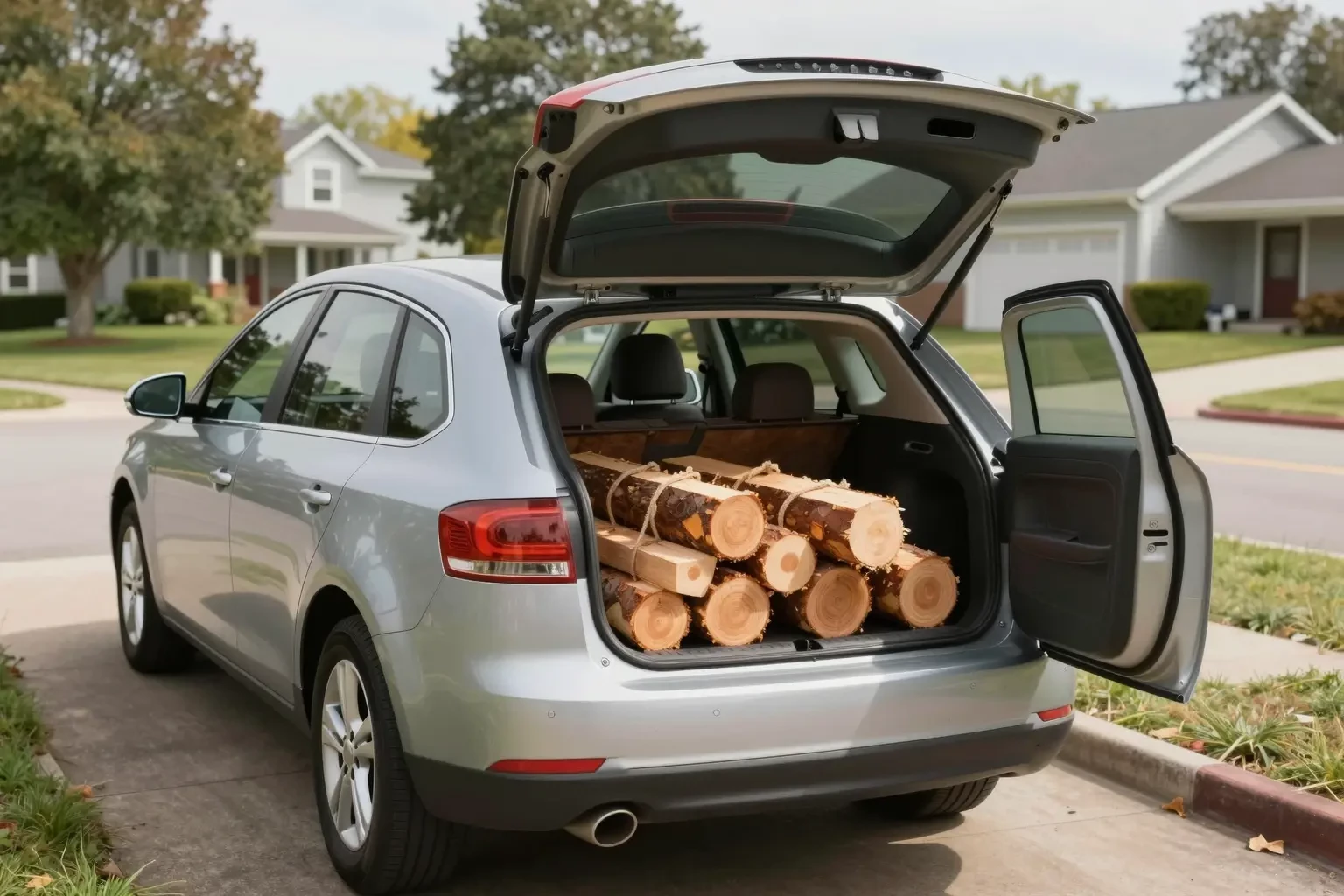
Transporting wood in cars safely requires understanding car roof racks‚ securing lumber with tie-down straps‚ and effective load capacity management. Ensuring weight distribution and following vehicle regulations are crucial for successful cargo management.
Choosing the Right Car Roof Racks
Selecting suitable car roof racks for wood transportation involves assessing the load capacity and compatibility with your vehicle. Prioritize safety precautions and ensure the racks facilitate proper weight distribution for secure hauling techniques.
Types of Car Roof Racks
When considering wood transportation‚ selecting the appropriate car roof racks is essential for safe and efficient transport. There are several types of roof racks available‚ each with unique features suitable for specific needs. The most common types include crossbars‚ which are versatile and can support various attachments. These are ideal for securing lumber and other construction materials.
Side rails are another option‚ providing a fixed attachment point for additional accessories. They are beneficial for adding custom tie-down straps and ensuring proper weight distribution. Platform racks offer a flat surface‚ allowing for maximum cargo management flexibility. This type is particularly useful for larger loads‚ as it provides a stable base for protective padding and other securing methods.
Additionally‚ basket-style racks offer raised sides for added security‚ preventing materials from shifting during transport. These are excellent for carrying irregularly shaped items or when DIY projects require multiple trips. Each type of rack requires careful consideration of your vehicle’s load capacity and vehicle regulations to ensure safe and legal transport of wood and other materials.
Weight Distribution Considerations
Effective weight distribution is crucial for ensuring safety when transporting wood using car roof racks. Properly balanced loads minimize the risk of vehicle instability‚ which can lead to accidents or damage. To achieve this‚ start by evenly distributing the weight across the entire roof rack. Place heavier items at the center to lower the center of gravity and maintain vehicle control. This is especially important when securing lumber for long-distance travel or in challenging driving conditions.
Consider the load capacity of your vehicle and roof racks. Exceeding these limits can lead to structural damage and affect handling. Use tie-down straps to secure the load‚ ensuring they are tightly fastened to prevent movement. Safety precautions like double-checking the tension of the straps and using protective padding to prevent scratches or dents are advisable.
Additionally‚ distribute the load evenly from front to back‚ considering the vehicle regulations regarding overhangs. Avoid placing excessive weight on one side‚ as this can cause the vehicle to lean‚ affecting steering and braking. Proper cargo management and adherence to these guidelines ensure safe and efficient wood transportation.
Securing Lumber with Tie-Down Straps
Utilizing tie-down straps is crucial for securing lumber during wood transportation. These straps ensure stability‚ prevent load shifting‚ and enhance safety by maintaining proper weight distribution and compliance with vehicle regulations.
Importance of Tie-Down Straps
The use of tie-down straps is paramount when it comes to securing lumber for wood transportation in a vehicle. These straps provide the necessary stability to ensure that the materials remain securely in place throughout the journey. Without proper strapping‚ the risk of load shifting increases significantly‚ which can lead to potential accidents or damage to the vehicle and the transported materials.
Tie-down straps play a critical role in maintaining proper weight distribution‚ which is crucial for the safe handling and control of the vehicle. Incorrectly secured loads can affect the vehicle’s balance‚ steering‚ and braking‚ posing serious safety hazards. Therefore‚ investing in high-quality straps and learning the correct techniques for their use is essential for safe cargo management.
Additionally‚ tie-down straps help ensure compliance with vehicle regulations that mandate secure transportation of loads. This not only prevents legal issues but also enhances overall road safety. By employing the right strapping techniques‚ drivers can transport construction materials and other items efficiently‚ minimizing the risk of incidents and ensuring a successful hauling technique.
Utilizing Interior Space and Pickup Trucks
Efficient wood transportation involves maximizing interior space and leveraging the advantages of a pickup truck. These strategies enhance cargo management‚ optimize load capacity‚ and ensure adherence to safety precautions.
Maximizing Interior Space
When it comes to wood transportation in a car‚ effectively utilizing the interior space can make a significant difference in the amount of material you can transport safely. The first step in maximizing this space is to remove any unnecessary items from the vehicle to create more room for the construction materials. Folding or removing the rear seats‚ if possible‚ can also provide additional space‚ allowing longer pieces of lumber to fit comfortably.
Organizing the load efficiently is crucial. Place the longest pieces of wood along the length of the car‚ ensuring they are secured and do not obstruct the driver’s visibility. Shorter pieces can be stacked on top‚ but care should be taken to maintain weight distribution to avoid any imbalance that might affect vehicle handling. Use protective padding to prevent damage to the car’s interior and the wood itself.
Lastly‚ ensure the wood is securely fastened using appropriate tie-down straps to prevent shifting during transit. By maximizing interior space‚ drivers can transport wood more efficiently‚ safely‚ and in compliance with vehicle regulations.
Benefits of Using a Pickup Truck
Using a pickup truck for wood transportation offers numerous advantages‚ making it an ideal choice for those involved in DIY projects or transporting construction materials. One of the primary benefits is the increased load capacity that pickup trucks provide. The spacious bed allows for the transportation of longer and bulkier pieces of lumber that might not fit in standard vehicles. This makes it easier to manage larger loads in a single trip‚ saving time and effort.
Additionally‚ pickup trucks are designed to handle heavier weights‚ ensuring better weight distribution and stability on the road. The open bed also facilitates easy loading and unloading‚ reducing the risk of damage to the wood or the vehicle itself. With the use of tie-down straps and protective padding‚ securing the load is straightforward‚ further enhancing safety.
Moreover‚ pickup trucks are typically built for rugged use‚ making them more resilient in various driving conditions. By adhering to safety precautions and vehicle regulations‚ using a pickup truck ensures efficient‚ secure‚ and compliant wood transport.
Safety Precautions and Vehicle Regulations
Understanding and complying with vehicle regulations is also crucial. This includes verifying that the load does not exceed the vehicle’s load capacity and ensuring any overhangs abide by legal limits; Proper cargo management not only enhances safety but also prevents potential fines or legal issues arising from non-compliance.
Lastly‚ regular inspection of the securing equipment‚ such as the condition of tie-down straps and protective padding‚ is essential to ensure they remain effective over time. By prioritizing these precautions and regulations‚ individuals can transport construction materials and other items safely‚ efficiently‚ and legally‚ contributing to successful DIY projects and professional endeavors.