

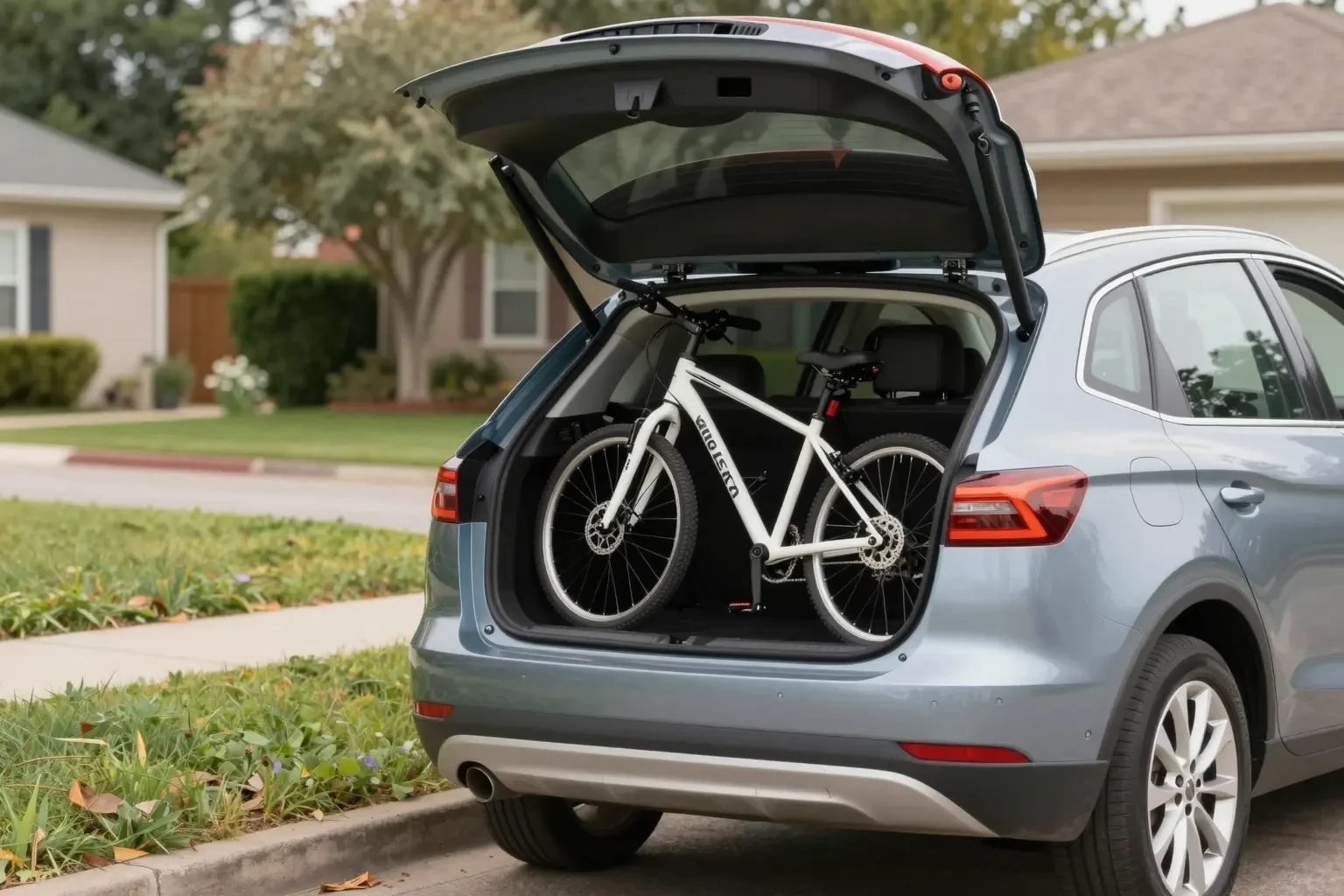
Transporting a bicycle safely involves choosing a suitable bike carrier, such as a roof mount, trunk mount, or hitch mount, ensuring secure and protected travel․
Transporting your bicycle safely and efficiently in a car can be challenging but rewarding․ Whether you’re planning a short trip or a long journey, having the right method ensures your bike arrives in perfect condition․ Various options, like a bike carrier, are available to suit different vehicles and needs․ Consider a car rack to simplify the process, offering versatile solutions for bike transportation․ Ensuring secure attachment is crucial for safety and protection․ Properly utilized straps and padding safeguard your bike during travel․ Understanding the types of carriers and preparation techniques will help in achieving a successful transportation experience for your beloved bicycle․
Types of Bike Carriers
Explore various bike carriers like roof mount, trunk mount, and hitch mount, each offering unique benefits for your vehicle’s bicycle transport needs․
Roof Mount Bike Carriers
Roof mount bike carriers are a popular choice for transporting bicycles, offering a convenient way to keep your car’s interior space free․ This method involves securing the bike on the vehicle’s roof, providing easy access without hindering trunk or rear access․ It’s essential to ensure the bike is properly secured with straps and padding to prevent damage during travel․ Roof mounts are ideal for carrying multiple bikes, depending on your car’s capacity․ However, be mindful of increased vehicle height, which may affect clearance in certain areas․ Always verify the roof rack’s weight limit to ensure safe and effective bicycle transportation․
Trunk Mount Bike Carriers
Trunk mount bike carriers are a cost-effective and versatile option for transporting bicycles․ They attach directly to the back of your vehicle, using a combination of straps and hooks to secure the carrier in place․ This type of carrier is easy to install and remove, making it a convenient choice for occasional riders․ However, it’s crucial to ensure that the carrier is tightly secured to prevent movement during travel․ Padding is necessary to protect the vehicle’s finish from scratches․ While trunk mounts offer easy loading and unloading, they may limit access to the trunk, so plan accordingly for your bicycle transportation needs․
Hitch Mount Bike Carriers
Hitch mount bike carriers are an excellent choice for those seeking convenience and stability in bicycle transport․ These carriers attach to the vehicle’s hitch receiver, providing a sturdy platform for carrying bikes․ Ideal for families or avid cyclists, hitch mounts can accommodate multiple bikes without sacrificing access to the trunk․ They offer easy loading and unloading, minimizing the risk of damaging your vehicle or bicycles․ Ensure the hitch mount is compatible with your car’s hitch size to guarantee a secure fit․ Additionally, the use of straps and padding enhances protection and safety during travel, making it a reliable option for bicycle transportation․
Ensuring Secure Bicycle Transport
Properly securing your bicycle with straps and padding is essential to prevent damage and ensure safety during vehicle transport․
Importance of Straps and Padding
Using straps and padding is crucial for secure bicycle transportation․ Straps ensure that the bike remains firmly attached to the bike carrier, preventing unwanted movement during travel․ This reduces the risk of damage to both the bicycle and the vehicle․ Padding plays an essential role in protecting the bike’s frame and components from scratches and impacts․ Properly applied padding acts as a cushion, absorbing shocks from road vibrations․ When installing a car rack, double-check that all straps are tight and secure, and inspect the padding for any wear or tear․ Investing in quality straps and padding enhances safety and extends the longevity of your equipment․
Safety Measures During Travel
When transporting your bicycle, implementing safety measures is paramount for a worry-free journey․ Regularly check that all straps and padding are secure and intact․ Ensure the bike carrier is properly installed and remains stable throughout the trip․ Be mindful of your vehicle’s increased height or length, especially with roof or hitch mounts, to avoid obstacles like low bridges or tight parking spaces․ Drive cautiously, avoiding sudden stops or sharp turns that might destabilize the load․ Periodically inspect the bicycle and car rack during extended travel to ensure everything stays in place, ensuring safety for both the bike and other road users․
Preparing Your Bicycle for Transport
Properly preparing your bicycle involves disassembling, wheel removal, and ensuring all parts are secure for safe transportation in your vehicle․
Disassembling and Wheel Removal
Disassembling your bicycle before transport can significantly ease the process and protect both the bike and the vehicle․ Begin by removing the wheels, which allows for a more compact fit within the bike carrier or car rack․ This step reduces the chance of accidental damage during loading and unloading․ Carefully secure loose parts, such as the pedals and handlebars, to prevent movement during travel․ Use protective padding to cover the frame and components, minimizing scratches․ Disassembly also helps in maximizing interior space if transporting the bike inside the car․ Remember to keep all small parts together for easy reassembly upon arrival․
Loading and Unloading Techniques
Mastering loading and unloading techniques is crucial for safe bicycle transport․ Begin by positioning your bike carrier securely on the vehicle․ For roof or hitch mounts, lift the bicycle carefully, using your legs to avoid strain․ Ensure the bike is balanced before securing it with straps․ Double-check that all fastenings are tight․ If using a trunk mount, place the bike gently, aligning it with the designated slots or supports․ During unloading, reverse the process, maintaining a firm grip to prevent accidental drops․ Always inspect the bike and car rack for any signs of stress or damage after each journey, ensuring continued protection․
Additional Accessories for Bicycle Transportation
Enhance your bicycle transport experience with essential accessories like locks, wheel bags, and covers for added security and protection․
Essential Accessories
Equipping yourself with essential accessories can greatly enhance your bicycle transportation experience․ A reliable lock is crucial for securing your bike during travel stops, offering peace of mind․ Wheel bags protect wheels from scratches and dirt, keeping them in pristine condition․ Consider investing in a bike cover to shield your bicycle from weather elements and debris․ Additionally, extra straps and padding are invaluable for added protection and safety․ Reflective tape can enhance visibility, especially during nighttime travel․ Finally, a toolkit with basic repair tools ensures you’re prepared for any unforeseen issues․ These accessories collectively aid in a smoother and more secure bicycle transportation journey․
Maximizing Interior Space
Maximizing interior space when transporting a bicycle inside your vehicle requires strategic planning․ Start by removing the wheels and disassembling parts like the pedals and handlebars to create a compact shape․ Use wheel bags and covers to protect the car’s interior from dirt and scratches․ Carefully position the bicycle frame to minimize its footprint, ensuring it doesn’t obstruct the driver’s view․ Utilize the trunk or foldable seats to create additional space․ Secure the bike with straps to prevent movement during travel․ This method not only safeguards your bicycle but also allows room for passengers and other luggage, enhancing the overall efficiency of your trip․
Successfully transporting your bicycle involves selecting the right carrier, ensuring safety, and utilizing accessories for protection and convenience during travel․
Final Thoughts on Bicycle Transport
Transporting your bicycle safely and efficiently requires careful planning and the right equipment․ Whether you choose a roof mount, trunk mount, or hitch mount bike carrier, ensuring your bike is securely fastened with straps and protected with padding is essential․ Consider the unique needs of your journey, including potential weather conditions and terrain, to select appropriate accessories like covers and locks․ Regularly inspect all equipment for wear and tear to maintain safety standards․ By following these guidelines, you can enjoy peace of mind knowing that your bicycle will reach its destination in excellent condition, ready for your next adventure․