

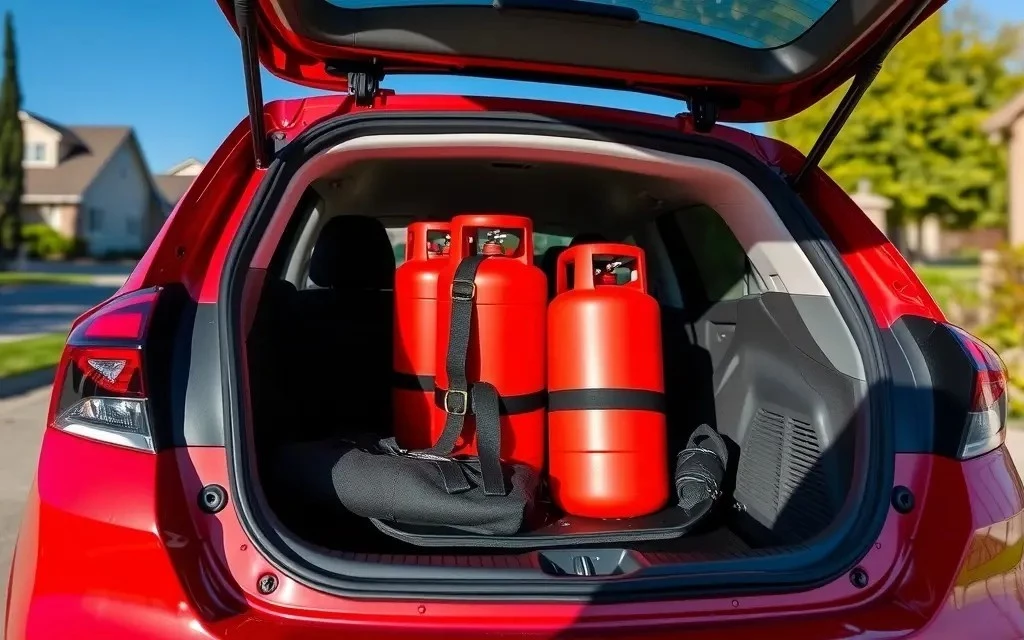
Transporting gasoline in your car raises significant car safety concerns. Ensuring compliance with storage regulations and understanding flammable risks can help prevent potential emergency situations.
Understanding Gasoline and Its Properties
Gasoline is a flammable liquid with volatile fumes. Its properties demand careful handling and ventilation during transport to minimize fire hazard and ensure safe handling.
Flammable Nature of Gasoline
Gasoline’s flammable nature is primarily due to its ability to evaporate quickly, producing potentially explosive fumes. These fumes, when mixed with air, can ignite easily with a small spark, posing significant fire hazard risks. The emergency potential increases when gasoline is not stored in approved fuel containers. Such containers are specifically designed to minimize leakage and manage vapor emissions. Spill containment is another crucial factor; even a minor spill can lead to dangerous situations if not addressed promptly. Proper ventilation during transport is essential to disperse fumes effectively and reduce the risk of ignition. Understanding the inherent risks associated with gasoline’s flammability can lead to more informed decisions and adherence to storage regulations and legal guidelines, ensuring not only personal safety but also the safety of others.
Potential Hazards of Gasoline Fumes
Gasoline fumes pose several potential hazards, emphasizing the need for stringent safe handling and storage regulations. Inhalation of these fumes can lead to health issues such as dizziness, headaches, and respiratory problems, highlighting the importance of proper ventilation during transport. Beyond health risks, gasoline vapors are highly flammable and can ignite with minimal exposure to a spark or flame, creating a significant fire hazard. Fumes can accumulate in confined spaces, increasing the risk of an emergency situation. To mitigate these risks, it is essential to use appropriate fuel containers designed to minimize leakage and vapor escape. Understanding and addressing the dangers associated with gasoline fumes is crucial for ensuring car safety and preventing potentially hazardous incidents.
Legal Guidelines for Transporting Gasoline
Transporting gasoline involves adhering to legal guidelines, including storage regulations and restrictions, ensuring safe handling to prevent fire hazards and guarantee vehicle stability.
Overview of Storage Regulations
Proper storage regulations for transporting gasoline are crucial to ensure car safety and minimize fire hazards. Regulations often necessitate using approved fuel containers designed to prevent leakage and control vapor emissions. These containers must be clearly labeled and equipped with secure seals. During transport, the quantity of gasoline permitted is typically limited to reduce risks. Moreover, containers should be placed in well-ventilated areas within the vehicle to disperse potentially flammable fumes. Adhering to these guidelines is essential to avoid penalties and ensure legal compliance. Compliance with legal guidelines helps prevent accidents and ensures that gasoline is safely stored and transported. Understanding these regulations protects not only the vehicle and its occupants but also the broader community from potential emergency situations.
Legal Limits and Restrictions
When transporting gasoline, various legal limits and restrictions are in place to ensure car safety and prevent fire hazards. Typically, these regulations restrict the amount of gasoline individuals can transport in a personal vehicle, often limiting it to small quantities that can be safely managed in approved fuel containers. These restrictions aim to minimize risks associated with flammable fumes and potential leakage. It’s also crucial to follow guidelines regarding container placement to maintain vehicle stability and avoid interference with vehicle performance. Non-compliance with these legal guidelines can result in fines or other penalties. Understanding and adhering to these restrictions is essential for ensuring public safety and preventing emergency situations during transport, protecting both the driver and the wider community.
Safe Handling of Gasoline
Ensuring safe handling of gasoline involves using suitable fuel containers, maintaining proper ventilation, and adhering to legal guidelines for preventing fire hazards and emergency situations.
Choosing the Right Fuel Container
Selecting the appropriate fuel container is vital for safe handling of gasoline during transport. Containers must be made from durable, non-reactive materials and designed specifically for gasoline storage. Look for containers with secure, airtight seals to prevent leakage and reduce the risk of fire hazards. Containers should also feature a spout or nozzle to facilitate easy and controlled pouring, minimizing spills. Ensure the container is clearly labeled with necessary warnings and capacity indications. Adhering to legal guidelines, such as approved certification marks, guarantees the container meets safety standards. Properly chosen containers enhance vehicle stability by preventing shifts in weight and reducing potential emergency incidents. Investing in the right container is essential for ensuring car safety and protecting against flammable risks.
Ensuring Proper Ventilation
Proper ventilation is a critical aspect of safe handling when transporting gasoline in a vehicle. Gasoline vapors are highly flammable and can create a significant fire hazard if allowed to accumulate. To prevent the buildup of these potentially dangerous fumes, it’s important to ensure your vehicle’s ventilation system is functioning effectively. Position gasoline containers in a well-ventilated area, ideally in the trunk or rear, to allow air circulation. Avoid placing containers in closed compartments without ventilation, as this can lead to increased vapor concentration. Regularly check for any signs of leakage or spills, which can exacerbate vapor presence. Adhering to these practices reduces the risk of emergency situations, ensuring car safety and compliance with legal guidelines for gasoline transport;
Car Safety Considerations
Transporting gasoline requires careful consideration of vehicle stability, weight distribution, and compliance with legal guidelines to minimize fire hazards and ensure overall car safety.
Vehicle Stability and Weight Distribution
Ensuring vehicle stability when transporting gasoline is crucial for car safety. Proper weight distribution prevents undue stress on the vehicle’s suspension and handling systems. Place gasoline containers as low and central as possible, ideally in the trunk, to maintain balance and avoid shifting during transit. This positioning helps prevent the vehicle from becoming top-heavy, which could compromise stability, especially during sudden maneuvers or stops. Secure containers using straps or nets to further reduce movement. Distributing the weight evenly across the vehicle enhances control and minimizes the risk of accidents. Adhering to these practices aligns with legal guidelines for safe transport and reduces fire hazards by ensuring containers remain intact and stationary, thus preventing potential emergency situations.
Impact on Vehicle Performance
Transporting gasoline can significantly affect vehicle performance, necessitating careful planning to ensure car safety. The added weight from fuel containers can increase fuel consumption, reducing overall efficiency. This weight can also impact acceleration, braking, and handling, requiring adjustments in driving style to maintain control. Ensuring proper weight distribution helps mitigate these effects by maintaining balance and preventing excessive wear on tires and suspension systems. Additionally, gasoline fumes, if not properly ventilated, can infiltrate the vehicle’s cabin, impacting air quality and potentially causing discomfort or health issues for passengers. Adhering to legal guidelines for safe transport and storage regulations is essential to minimize these impacts and prevent fire hazards. Understanding these considerations helps maintain optimal vehicle performance while ensuring safety.
Preventing Emergencies
Preventing emergencies during gasoline transport involves monitoring for leakage, ensuring proper spill containment, and following legal guidelines to mitigate fire hazards and maintain car safety.
Detecting and Managing Gasoline Leakage
Detecting and managing gasoline leakage is crucial for preventing emergencies during transport. Regularly inspect fuel containers for signs of wear, cracks, or loose seals that could cause leakage. A strong gasoline smell inside the vehicle is often an indicator of a leak. Address leaks immediately by relocating the container to a well-ventilated area, away from any fire hazards. Use absorbent materials to contain spills and prevent the spread of flammable substances. Ensure all cleanup materials are disposed of according to legal guidelines to avoid environmental contamination. Maintaining vigilance and preparedness by carrying emergency kits equipped with necessary spill containment tools can mitigate the risk of accidents. Adhering to these practices enhances car safety and ensures compliance with storage regulations.
Spill Containment Measures
Effective spill containment measures are vital when transporting gasoline, significantly reducing fire hazards and ensuring car safety. Equip your vehicle with absorbent materials like pads or granules specifically designed for fuel spills. These items should be readily accessible and used immediately in the event of a spill to prevent the spread of flammable liquid. Position containers securely to minimize movement and potential leakage. Regularly inspect the interior of the vehicle for signs of spills or fumes. If a spill occurs, ventilate the area thoroughly and clean up promptly, disposing of contaminated materials according to legal guidelines. These precautions help prevent emergencies and ensure compliance with storage regulations, protecting both the vehicle’s occupants and the environment.
Addressing Fire Hazards
Addressing fire hazards when transporting gasoline involves recognizing fire risks, following storage regulations, and preparing emergency procedures to ensure car safety and compliance.
Recognizing Fire Risks
Recognizing fire risks associated with transporting gasoline is essential for maintaining car safety. Gasoline’s highly flammable nature means even a small spark can ignite fumes, leading to potentially disastrous consequences. Ensure that all fuel containers are tightly sealed to prevent vapor escape and positioned away from heat sources or electrical components within the vehicle. Regularly inspect containers and surrounding areas for signs of leakage or wear that could lead to spills. Avoid smoking or using open flames near gasoline containers. Educate yourself and passengers about the dangers posed by gasoline and the necessary precautions to take. Being aware of these fire hazards and adhering to legal guidelines helps prevent emergencies during transport, ensuring a safer environment for all.
Emergency Procedures and Preparedness
Being prepared with emergency procedures is crucial when transporting gasoline to mitigate potential fire hazards and ensure car safety. Equip your vehicle with a fire extinguisher suited for gasoline fires and ensure all passengers know its location and how to use it. Develop a clear action plan for handling spills and fires, including safely evacuating the vehicle and calling emergency services if necessary. Keep a first aid kit accessible in case of minor injuries during an incident. Regularly review and practice these procedures to ensure readiness. Understanding spill containment techniques and having absorbent materials on hand can prevent minor incidents from escalating. By prioritizing emergency preparedness and following legal guidelines, you can effectively address unexpected situations and maintain safety during gasoline transport.
Transporting gasoline in your car presents inherent risks that require careful attention to car safety and fire hazard prevention. Understanding gasoline’s flammable properties and adhering to legal guidelines are essential steps in minimizing potential dangers. Proper selection of fuel containers, ensuring effective ventilation, and maintaining vehicle stability contribute to a safer transport process. Being vigilant about leakage detection and implementing effective spill containment measures are vital for preventing emergencies. Additionally, recognizing fire risks and preparing emergency procedures enhance overall safety and readiness. By taking these precautions and responsibilities seriously, you can safely transport gasoline, protect yourself and others, and comply with necessary storage regulations. Prioritizing these considerations will ensure a safer environment and successful handling of gasoline transport.