

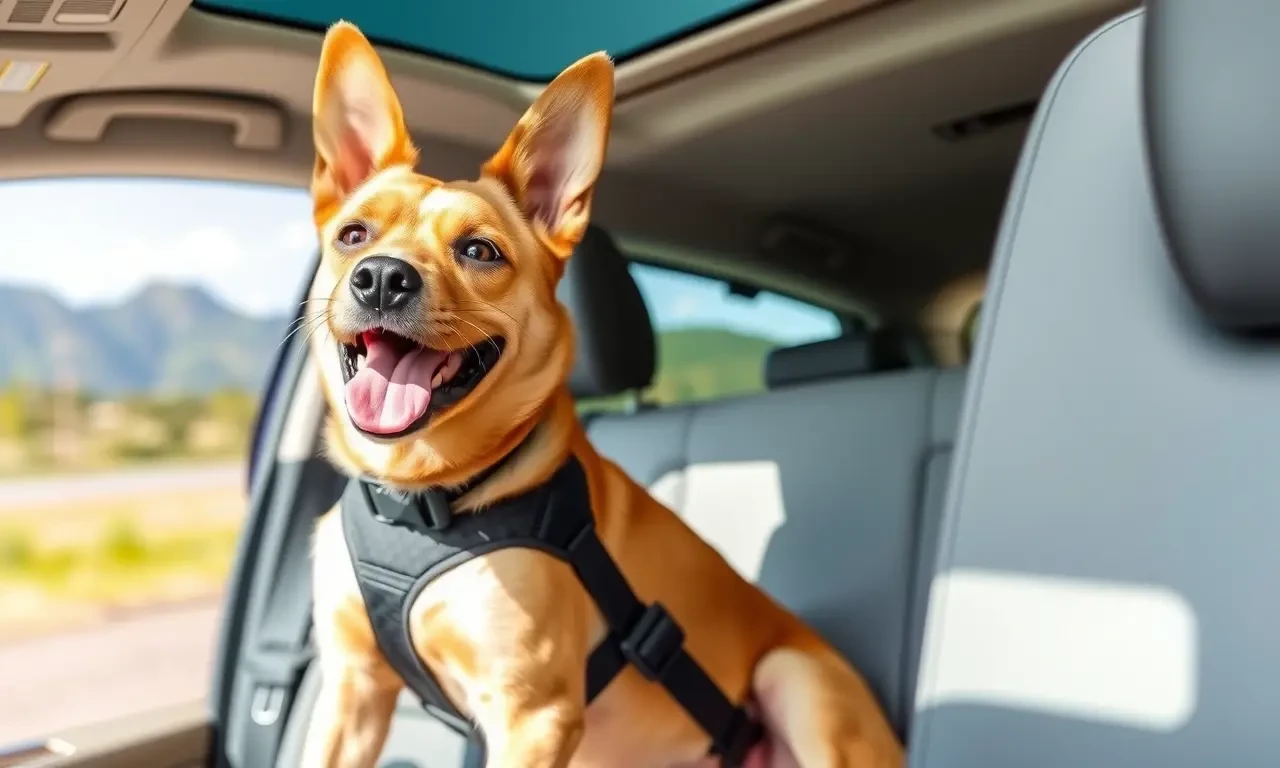
Ensuring pet safety is crucial during car travel. Proper restraint systems and dog-friendly vehicles help prevent injuries‚ reduce travel anxiety‚ and enhance overall comfort.
Choosing the Right Dog Carrier
Selecting the ideal dog carrier ensures secure‚ comfortable car travel. Consider factors like size‚ material‚ and ventilation to meet your pet’s specific needs.
Types of Dog Carriers
When considering dog carriers for car travel‚ various options cater to different needs. Soft-sided carriers are lightweight and offer comfort‚ making them ideal for small dogs. These carriers often include mesh panels for ventilation and easy access. Hard-sided carriers‚ made from durable materials‚ provide enhanced protection and are suitable for larger dogs or longer journeys. They ensure secure placement in vehicles and often feature pet safety latches. Backpack carriers are versatile options for adventurous trips‚ allowing for hands-free transportation. For pets with travel anxiety‚ rolling carriers offer stability and ease of movement. Sling carriers provide a cozy environment for small breeds‚ enhancing the feeling of security. Ultimately‚ choosing the right carrier involves assessing the dog’s size‚ temperament‚ and specific travel requirements.
Size and Comfort Considerations
When selecting a dog carrier for car travel‚ size and comfort are paramount. Ensure the carrier is spacious enough for your dog to stand‚ turn‚ and lie down comfortably‚ promoting a secure and relaxed environment. It’s essential to measure your dog’s height and length accurately to choose an appropriately sized carrier. A well-fitted carrier prevents unnecessary movement‚ reducing the risk of motion sickness. For added comfort‚ consider carriers with padded interiors or include a soft blanket. Adequate ventilation is vital‚ ensuring fresh air circulation during the journey. Avoid carriers that are too large‚ as it may cause instability during transport. By prioritizing these comfort considerations‚ your pet can enjoy a pleasant travel experience‚ minimizing travel anxiety and ensuring safe‚ enjoyable journeys.
Implementing a Restraint System
Integrating a restraint system is vital for pet safety during car travel. It minimizes distractions‚ secures your dog‚ and prevents potential injuries in accidents.
Benefits of a Restraint System
Implementing a restraint system during car travel offers numerous benefits for both pets and owners. Primarily‚ it enhances pet safety by minimizing the risk of injury during sudden stops or accidents. A secured pet is less likely to become a distraction‚ allowing the driver to focus on the road. This system also alleviates travel anxiety‚ as a restrained pet feels more stable and secure‚ reducing stress during the journey. Additionally‚ it prevents pets from accessing the front seat‚ ensuring they stay in the back seat‚ which is safer. A proper restraint system also aids in motion sickness prevention by limiting excessive movement. Ultimately‚ a well-chosen restraint system ensures a more comfortable‚ safe‚ and enjoyable travel experience for your furry companion.
Types of Restraint Systems
Various restraint systems are available to ensure pet safety during car travel. Vehicle harnesses are popular choices‚ securing the dog with a specialized harness that attaches to the car’s seat belt. This option allows for some movement while maintaining safety. Pet barriers are another effective solution‚ separating the back seat from the front‚ preventing pets from distracting the driver. Travel crates offer a secure enclosure‚ especially beneficial for smaller dogs‚ providing comfort and protection. Booster seats elevate smaller dogs‚ allowing them to look out the window‚ reducing travel anxiety. Lastly‚ zipline harnesses provide a balance of freedom and restraint‚ letting dogs move along a fixed line in the vehicle. Selecting the right system depends on your dog’s size‚ behavior‚ and travel needs.
Using a Travel Crate for Safe Transportation
A travel crate provides safe transportation for pets during car trips. It ensures secure placement‚ minimizing distractions and enhancing pet safety throughout the journey.
Crate Training and Acclimatization
Effective crate training is essential for ensuring your dog’s comfort during car travel. Begin by introducing the travel crate in a familiar environment‚ allowing your dog to explore it at their own pace. Place familiar items like blankets or toys inside to create a sense of comfort. Gradually increase the time your dog spends in the crate‚ associating it with positive experiences such as treats and praise. Once your pet is comfortable‚ practice short car rides to aid in acclimatization. This gradual approach helps reduce travel anxiety and ensures your pet views the crate as a safe haven. Consistency and patience are key during this process‚ ultimately leading to a stress-free travel experience and enhancing overall pet safety during journeys.
Secure Placement of the Travel Crate
Ensuring the secure placement of a travel crate is crucial for your pet’s safe transportation during car trips. Position the crate in the back seat‚ as this is the safest location‚ away from airbags. Use the car’s seat belt or specialized straps to anchor the crate‚ preventing it from sliding or tipping over during sudden stops or turns. Ensure the crate’s door is securely closed and latched to prevent escape. Adequate ventilation is essential‚ so choose a crate with mesh panels or openings. Regularly check the crate’s stability throughout the journey‚ especially on longer trips. By prioritizing secure placement‚ you reduce the risk of injury and enhance pet safety‚ ensuring a comfortable and stress-free travel experience for your furry friend.
Vehicle Harnesses and Seat Belts
Using vehicle harnesses and seat belts ensures pet safety during car travel by securing your dog‚ minimizing distractions‚ and enhancing protection in case of sudden stops.
Installing a Vehicle Harness
Properly installing a vehicle harness is essential for ensuring your dog’s safe transportation during car travel. Begin by selecting a harness specifically designed for car use‚ featuring durable materials and adjustable straps. Position the harness comfortably on your dog‚ ensuring a snug fit without restricting movement. Attach the harness to the car’s seat belt system using the designated clip or tether. Ensure the harness allows your dog to sit‚ stand‚ or lie down comfortably while remaining secure. Regularly check the harness for wear and tear‚ replacing it if necessary. Practice short trips to familiarize your dog with the new setup and monitor their comfort level. By correctly installing a vehicle harness‚ you enhance pet safety‚ reduce distractions‚ and provide peace of mind while traveling with your furry companion.
Choosing the Right Seat Belt for Dogs
Selecting the appropriate seat belt for your dog is crucial for pet safety during car travel. Begin by considering your dog’s size and weight‚ as this will determine the strength and length of the seat belt required. Look for seat belts made from durable‚ high-quality materials‚ with secure clasps or buckles that attach easily to your vehicle’s existing seat belt system. Adjustable designs are ideal‚ allowing for a customizable fit that accommodates your dog’s comfort and movement. Ensure the seat belt offers a balance of restraint and freedom‚ permitting your dog to sit or lie down without feeling restricted. Additionally‚ consider seat belts that are crash-tested to meet safety standards. By choosing the right seat belt‚ you can ensure secure‚ comfortable‚ and stress-free journeys for your canine companion.
Ensuring Comfort in the Back Seat
To ensure comfort in the back seat‚ provide ample ventilation‚ soft bedding‚ and secure seating arrangements‚ reducing travel anxiety and enhancing your pet’s travel experience.
Managing Travel Anxiety
Addressing travel anxiety in dogs is crucial for ensuring a pleasant and stress-free journey. Begin by gradually acclimating your pet to car rides through short‚ positive experiences. Use treats and praise to create a positive association with the car. Providing familiar items‚ such as a favorite blanket or toy‚ can offer comfort and reduce stress. Consider using calming aids‚ such as pheromone sprays or anxiety wraps‚ which can help soothe nervous pets. Maintain a calm demeanor during trips‚ as dogs can sense their owner’s stress. Consistent routines‚ like regular car travel‚ can also help alleviate anxiety over time. Avoid feeding your dog right before travel to prevent motion sickness. By proactively managing travel anxiety‚ you ensure a more enjoyable and comfortable experience for your furry companion.
Providing Adequate Ventilation
Ensuring adequate ventilation is vital for your dog’s comfort and safety during car travel. Proper airflow prevents overheating and reduces stress‚ particularly on long journeys. Begin by using window shades to block direct sunlight‚ maintaining a cooler environment. Keep windows slightly open to allow fresh air circulation‚ but ensure they are not open wide enough for your dog to escape. Alternatively‚ use air conditioning to regulate temperature‚ ensuring it reaches the back seat where your pet is located. If using a travel crate‚ choose one with mesh panels to promote airflow. Regularly check your dog for signs of discomfort or overheating‚ such as excessive panting. By prioritizing ventilation‚ you enhance your pet’s travel experience‚ ensuring a safe and comfortable journey.
Effective Use of Pet Barriers
Using pet barriers effectively enhances pet safety by preventing distractions‚ securing the back seat‚ and creating a defined space‚ reducing travel anxiety for your dog.
Types of Pet Barriers
Pet barriers are essential tools for ensuring pet safety during car travel‚ offering varied designs to suit different vehicles and needs. Metal barriers are robust options‚ typically adjustable‚ fitting securely between the back seat and the front area‚ effectively preventing pets from moving forward. Mesh barriers are lightweight alternatives‚ using durable fabric and often featuring pockets for storage. These barriers are typically easier to install and remove‚ making them ideal for varied travel needs. Net barriers provide a flexible solution‚ using stretchy netting to create a barrier that accommodates different vehicle sizes. Some cars may benefit from custom-fit barriers designed specifically for certain vehicle models‚ ensuring optimal fit and security. Choosing the right barrier involves considering your dog’s size‚ behavior‚ and the vehicle’s interior layout.
Installation Tips for Safety
When installing pet barriers for car travel‚ safety is paramount. Start by selecting a barrier compatible with your vehicle’s make and model‚ ensuring a snug fit. Follow the manufacturer’s instructions carefully‚ using all provided hardware for secure installation. Position the barrier behind the back seat‚ aligning it to prevent pets from accessing the front area. Double-check that the barrier is firmly anchored‚ with no gaps your pet could squeeze through. Regularly inspect the barrier for signs of wear or looseness‚ adjusting as necessary. If using a mesh or net barrier‚ ensure all straps and clips are secure. Test the barrier’s stability by gently pushing on it; it should remain firm; By prioritizing proper installation‚ you enhance pet safety and ensure a more secure and stress-free travel experience.
Preventing Motion Sickness
To prevent motion sickness‚ ensure pet comfort by maintaining ventilation‚ using restraint systems‚ and offering breaks‚ enhancing your dog’s car travel experience significantly.
Identifying Symptoms of Motion Sickness
Recognizing the signs of motion sickness in dogs is essential for addressing their discomfort during car travel. Common symptoms include excessive drooling‚ which often indicates nausea. Watch for frequent yawning and whining‚ as these can be signs of anxiety linked to motion sickness. Panting‚ even in cool conditions‚ may also suggest distress. Some dogs may exhibit restlessness‚ pacing‚ or an inability to settle‚ signaling discomfort. Vomiting is a clear indication of motion sickness‚ often occurring after signs of nausea. Less obvious symptoms might include lip licking or a general reluctance to enter the vehicle. By identifying these symptoms early‚ owners can take steps to alleviate their pet’s discomfort‚ such as stopping for breaks‚ ensuring proper ventilation‚ or consulting a veterinarian for suitable remedies.
Motion Sickness Prevention Strategies
Implementing effective strategies can significantly reduce motion sickness in dogs during car travel. Begin with short‚ frequent trips to help your pet acclimate to the motion of the vehicle. Avoid feeding your dog immediately before travel‚ as a full stomach can exacerbate nausea. Offer small amounts of water to keep them hydrated. Ensure the car is well-ventilated‚ maintaining a cool temperature to enhance comfort. Use restraint systems to limit excessive movement‚ which can trigger motion sickness. Provide a stable‚ secure area in the back seat where your dog feels safe. Consider natural remedies like ginger treats or consult a veterinarian for anti-nausea medications if necessary. Regular breaks for fresh air and exercise can also alleviate symptoms‚ ensuring a smoother‚ more enjoyable journey.
Preparing for a Dog-Friendly Road Trip
Ensure a dog-friendly road trip by planning essential pet travel accessories‚ comfortable seating‚ and frequent breaks. This preparation enhances the travel experience for both you and your dog.
Essential Pet Travel Accessories
Equipping your car with the right pet travel accessories ensures a smooth and comfortable journey for your dog. Start with a reliable dog carrier or vehicle harness to secure your pet‚ enhancing pet safety. A pet barrier can keep your dog safely in the back seat‚ reducing distractions. Provide a soft blanket or seat cover for added comfort and cleanliness. Consider a portable water bottle and collapsible bowl to keep your pet hydrated during breaks. Toys and chew items can help alleviate travel anxiety. For longer trips‚ pack a small bag of your dog’s favorite food and treats. A pet first-aid kit is also vital for emergencies. These accessories collectively ensure a pleasant‚ stress-free travel experience for both you and your furry companion.
Journey Preparation Tips
Thorough preparation is key to a successful road trip with your dog. Start by scheduling a vet check-up to ensure your pet is healthy and up-to-date on vaccinations. Familiarize your dog with the car‚ using short trips to build positive associations. Plan your route‚ including dog-friendly stops for breaks‚ exercise‚ and hydration. Pack a travel bag with essentials: water‚ food‚ waste bags‚ and a first-aid kit. Ensure your dog’s comfort with a cozy blanket or favorite toy. Secure your pet using a restraint system‚ such as a vehicle harness or travel crate‚ for safe transportation. Keep windows slightly open for fresh air but ensure your pet can’t escape. By preparing effectively‚ you create a safe‚ enjoyable travel experience for both you and your furry friend.
Ensuring safe and comfortable car travel for your dog involves proper planning and the use of appropriate equipment. A well-chosen restraint system‚ such as a vehicle harness or travel crate‚ enhances pet safety by preventing distractions and reducing injury risks. Proper acclimatization to the car and gradual exposure help minimize travel anxiety. Providing adequate ventilation and maintaining a comfortable temperature are crucial for a pleasant journey. Regular breaks for exercise and hydration are essential for your pet’s well-being. Utilizing pet barriers and ensuring secure placement of travel items further enhance safety. By implementing these strategies‚ you can create a positive travel experience‚ ensuring your dog’s comfort and safety on every road trip.