

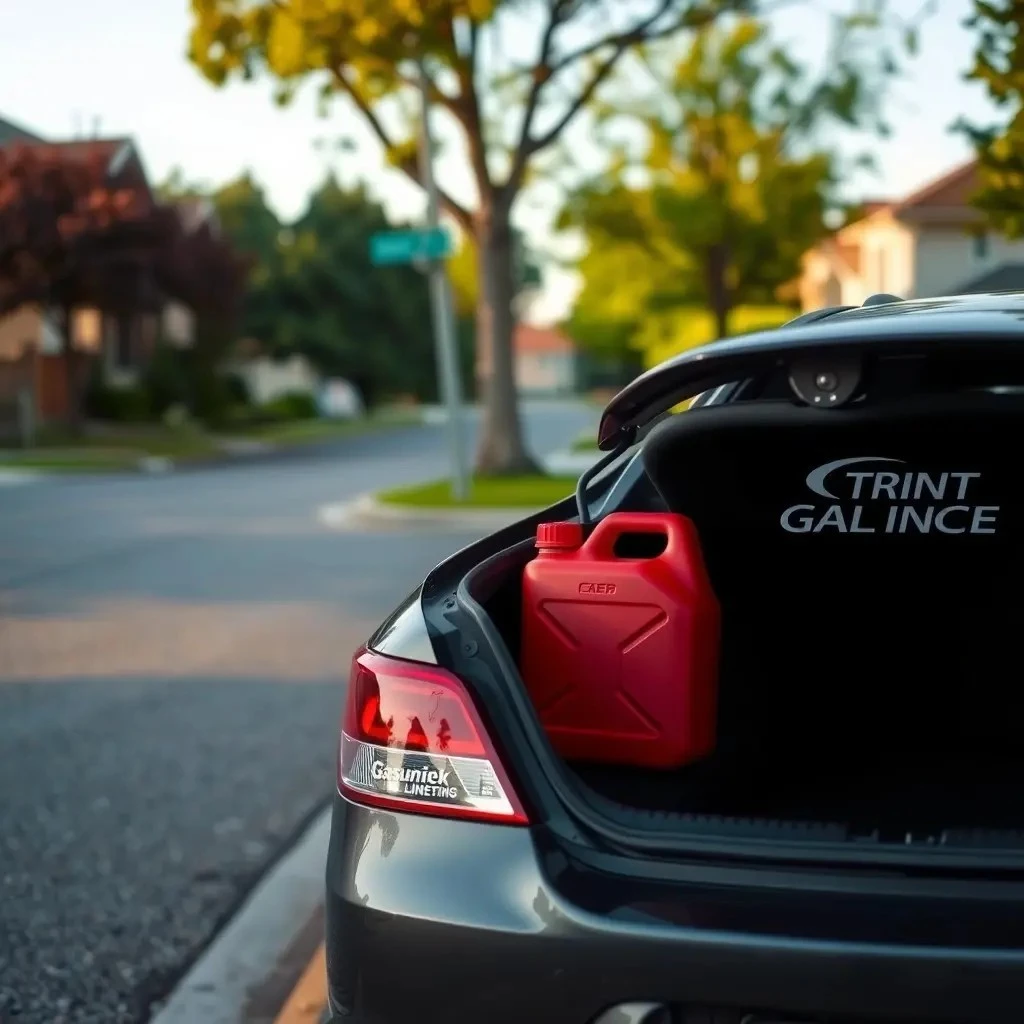
Transporting gasoline in a car requires understanding various legal and safety regulations. These guidelines ensure compliance and minimize risk when dealing with flammable fuel for transportation and storage.
Understanding Gasoline and Its Properties
Gasoline is a flammable fuel used in vehicles. Its properties require adherence to regulations for transport, storage, and safety, ensuring protection against hazardous incidents.
Gasoline as a Flammable Substance
Gasoline is a highly flammable liquid, making its transport and storage critical in ensuring safety. As a volatile fuel, it poses significant hazardous risks. To mitigate these risks, regulations are implemented to guide the proper handling of gasoline. These guidelines focus on maintaining compliance with laws and restrictions that help protect individuals and property from potential dangers. The flammable nature of gasoline means it can ignite easily, even from small sparks or heat sources, making it essential to use approved containers for transportation. Understanding the properties of gasoline and adhering to safety regulations reduces the risk of fires and explosions. Proper handling involves recognizing emergency procedures in case of accidental spills, ensuring that all necessary precautions are taken when transporting this flammable substance.
Risks Associated with Gasoline
Gasoline presents numerous risks when handled improperly, especially during transport. Its flammable nature means that it can easily ignite, posing a significant hazardous threat to individuals and property. The vapors from gasoline are also flammable and can cause explosions if not properly contained. Furthermore, exposure to gasoline can lead to health issues, as inhalation of its fumes is harmful and can cause dizziness, headaches, or even more severe health problems. Inadequate storage and inappropriate containers increase the risk of leaks or spills, which can lead to fire hazards. It’s crucial to follow guidelines and regulations to ensure safety and minimize potential dangers. Understanding these risks and implementing appropriate protection measures are essential in safely managing gasoline transportation and storage.
Legal Aspects of Transporting Gasoline
Understanding the legal aspects of transporting gasoline involves adhering to regulations and laws designed to ensure safety, minimize risk, and promote compliance with guidelines.
Overview of Legal Regulations
The legal regulations governing the transportation of gasoline in a car are designed to ensure safety and minimize risk. These laws specify the type of containers that can be used, often requiring them to be approved and labeled for flammable liquids. Additionally, there are restrictions on the amount of gasoline that can be legally transported in a vehicle to prevent potential hazardous situations. Compliance with these regulations is crucial, as failure to adhere can result in fines or other legal consequences. Guidelines also dictate how gasoline should be secured in the car to prevent spills or leaks during transport. Understanding and following these legal aspects help ensure that gasoline is transported safely, protecting both the individual and the environment from potential dangers.
Compliance Requirements
To legally transport gasoline in a car, adhering to compliance requirements is essential. These regulations ensure that safety standards are met to reduce risk when handling flammable substances. One major requirement is the use of certified containers designed for gasoline storage, which must be tightly sealed and labeled. Additionally, there are limits on the volume of gasoline that can be carried in a single trip. Compliance also involves proper ventilation within the vehicle to prevent the buildup of fumes, which could lead to potential ignition. Regular inspections and maintenance of the vehicle are crucial to ensure that all safety systems are functioning correctly. Understanding these requirements and following them diligently is vital for legal and safe transportation of gasoline, safeguarding against hazardous incidents.
Safety Guidelines for Transporting Gasoline in a Car
Following safety guidelines for transporting gasoline in a car ensures protection against risks. Proper storage and approved containers reduce hazardous incidents and ensure compliance.
Regulations on Containers
When transporting gasoline in a car, regulations on containers play a crucial role in ensuring safety and compliance. Approved containers must be used, typically designed to withstand the flammable nature of gasoline. These containers are often made of durable materials and come with secure, tight-sealing lids to prevent leaks and spills. Additionally, they must be clearly labeled to indicate that they contain flammable fuel. Regulations may also specify the maximum capacity of the container, limiting the amount of gasoline that can be legally transported at one time. Proper use and maintenance of these containers are essential to minimize risk. Following these guidelines helps protect the vehicle occupants and the environment from potential hazardous incidents, ensuring safe and legal gasoline transportation.
Proper Storage Methods
Ensuring proper storage methods for gasoline during transport in a car is vital for safety and compliance. Gasoline should always be stored in approved containers that are specifically designed for flammable liquids. These containers must be securely closed to prevent leaks and spills. Placement in the vehicle is also important; containers should be positioned upright and secured to prevent movement during transit. Avoid placing gasoline containers in passenger areas, as vapors can be harmful and increase risk. Instead, use the trunk or a designated cargo area with proper ventilation. Regularly check containers for signs of wear or damage, replacing them as necessary to maintain integrity. Implementing these storage methods reduces potential hazardous situations, ensuring safe transportation of gasoline while minimizing risk to individuals and the environment.
Vehicle Requirements for Gasoline Transportation
Adhering to vehicle requirements ensures safety and compliance during gasoline transportation. Proper equipment and modifications help prevent risk and protect against potential hazardous situations.
Ensuring Vehicle Safety
Ensuring vehicle safety when transporting gasoline is crucial to prevent hazardous incidents. Regular maintenance checks are essential to identify and rectify any mechanical issues that could pose risk during transit. The vehicle should be equipped with a fire extinguisher approved for flammable liquids, readily accessible in case of emergencies. Ensure that the vehicle has proper ventilation to avoid the buildup of potentially explosive vapors. Secure all gasoline containers to prevent movement, which could lead to spills or leaks. Avoid overloading the vehicle, as this can affect stability and handling. Additionally, inspect the vehicle’s exhaust system to ensure it is functioning correctly and not emitting sparks. Adhering to these safety measures minimizes risk, ensuring that gasoline is transported safely, protecting both the occupants and the environment.
Modifications and Equipment
When transporting gasoline in a car, certain modifications and equipment are necessary to ensure safety and compliance with regulations. Installing a fire suppression system can provide an added layer of protection against potential fires. Consider using a secure rack or anchoring system to hold gasoline containers in place, preventing movement and reducing risk of spills. Additionally, ensure that the vehicle has a reliable ventilation system to disperse flammable vapors. Equip the vehicle with a spark arrestor on the exhaust system to prevent ignition sources. Having personal protective equipment like gloves and goggles is advisable in case of emergencies. Regularly inspect and maintain this equipment to confirm functionality. Implementing these modifications and using appropriate equipment are crucial steps in safely managing gasoline transportation, minimizing hazardous risks.
Potential Risks and Protection Measures
Identifying potential risks and implementing protection measures are crucial when transporting gasoline, ensuring safety and minimizing hazardous incidents through proper guidelines and proactive emergency procedures.
Emergency Procedures
Having well-defined emergency procedures is essential when transporting gasoline in a car. In the event of a spill, immediately stop the vehicle and ensure it is safe to exit. Use absorbent materials to contain and clean up the spill if possible, and dispose of them according to hazardous waste guidelines. In case of a fire, use a fire extinguisher rated for flammable liquids to put it out. Ensure all passengers are safely away from the vehicle and call emergency services if needed. Ventilate the area to disperse gasoline vapors and reduce risk of ignition. Do not start the vehicle if a spill has occurred until it is verified safe. Regularly review and practice these emergency procedures to ensure quick and effective responses when dealing with gasoline-related hazards.
Preventive Measures
Implementing preventive measures is crucial to safely transporting gasoline in a car and minimizing potential hazardous risks. Always use approved containers that are designed for gasoline and ensure they are tightly sealed to prevent leaks. Secure containers in a stable position within the vehicle to prevent movement during transit. Avoid smoking or using open flames near gasoline to reduce the risk of ignition. Keep a fire extinguisher rated for flammable liquids accessible at all times. Regularly inspect the vehicle for any potential mechanical issues that could pose a risk, such as faulty wiring or exhaust leaks. Ensure proper ventilation to disperse any potential vapor buildup. Educate all passengers on safety protocols and emergency procedures to ensure preparedness. These preventive measures significantly contribute to safe and compliant gasoline transportation.