

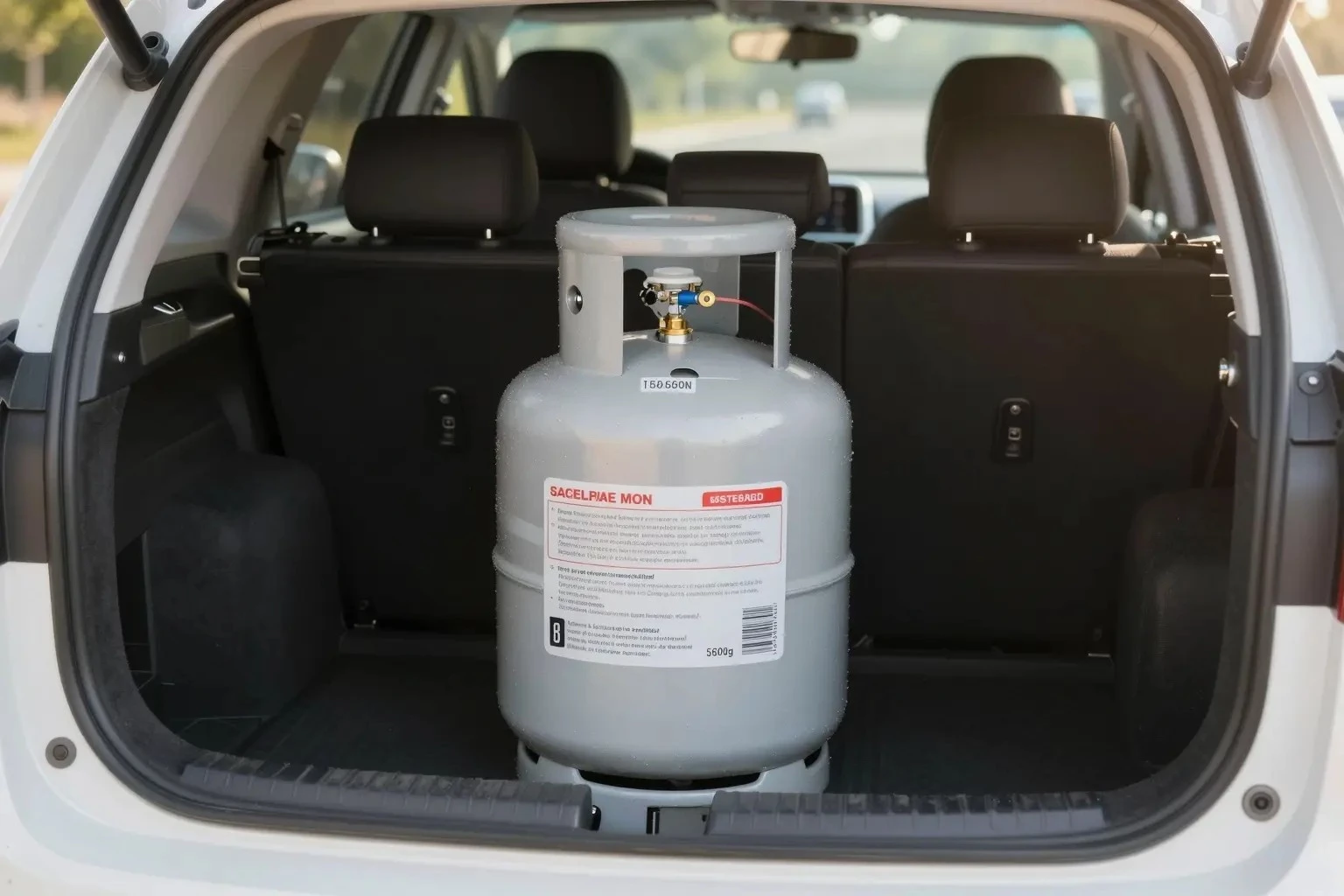
Transporting propane tanks in a car requires strict adherence to safety measures. Understanding the potential risks and following regulations can help prevent accidents and ensure safe handling.
Understanding Propane and Its Uses
Propane is a versatile and flammable gas used for heating, cooking, and fueling vehicles. Proper storage and handling are essential to mitigate fire hazards and ensure safety.
What is Propane?
Propane is a hydrocarbon gas, part of the alkanes group, primarily used as fuel. It is stored in liquid form under pressure within tanks and cylinders. As a flammable gas, it is crucial to follow safety guidelines during transportation and handling. Known for its clean-burning properties, propane is a popular choice in residential, industrial, and commercial applications. It is commonly used for heating homes, powering vehicles, and operating appliances like stoves and water heaters.
Propane is favored for its energy efficiency and reduced environmental impact compared to other fossil fuels. Its portability makes it ideal for situations where natural gas supply is unavailable. Despite its benefits, propane poses risks such as potential leaks and fire hazards, necessitating strict adherence to legal regulations for storage and transportation. Understanding the properties and uses of propane helps in implementing precautions to prevent accidents and ensure safety during its use.
Common Uses of Propane
Propane is a versatile energy source with a wide range of applications. One of its primary uses is in residential heating systems, where it effectively warms homes during colder months. Propane is also popular for cooking, powering stoves, ovens, and grills due to its efficient heat production and clean-burning properties. In rural areas where natural gas lines are unavailable, propane serves as an essential fuel for water heaters and clothes dryers.
Beyond household applications, propane is utilized in the agricultural sector for crop drying and pest control. It also powers farm equipment, making it indispensable for modern agriculture. In the industrial sector, propane is employed in cutting and welding processes due to its high-temperature output. Additionally, propane is used as an alternative fuel for vehicles, including buses and forklifts, offering a cleaner-burning option that reduces emissions. Understanding these uses underscores the importance of safe transportation and handling practices.
Propane Tank Transportation in Cars
Transporting propane tanks in cars demands caution. Following safety guidelines and understanding regulations can minimize risks, ensuring secure storage and preventing potential fire hazards or accidents.
Is It Safe to Transport Propane Tanks in Cars?
Transporting propane tanks in a car can be safe if proper precautions are taken. Key aspects to consider include ensuring that the tank is securely placed to prevent movement during transportation. It is crucial to transport the tank in an upright position to avoid potential leaks and maintain pressure integrity. Adequate ventilation is essential to prevent the accumulation of flammable fumes, which could pose a fire hazard.
Before transporting, check the valve to ensure it is tightly closed, and inspect for any signs of damage or corrosion. Adhering to legal regulations and guidelines regarding the handling and transport of propane is imperative to minimize risk. While transporting propane tanks in a vehicle is generally safe when done correctly, it’s important to remain vigilant and aware of any unusual fumes or leak signs to prevent potential accidents.
Legal Regulations and Guidelines
Transporting propane tanks in a car is subject to specific legal regulations and guidelines to ensure safety and minimize risks. These regulations may vary by region, so it is essential to familiarize yourself with local laws. Typically, regulations dictate that tanks must be transported upright and secured to prevent movement and potential leaks during transportation. The valve should be tightly closed, and the tank inspected for any damage or corrosion.
Most guidelines recommend that propane tanks not exceed a certain size or weight when being transported by personal vehicles. Adequate ventilation is required to prevent the buildup of flammable fumes, which could pose a fire hazard. Compliance with these regulations not only ensures the safe handling of propane but also helps avoid potential legal penalties. Understanding and adhering to these guidelines is crucial for the safe and legal transport of propane tanks.
Safety Precautions for Transporting Propane Tanks
Ensuring safety while transporting propane tanks in a car involves following proper guidelines, securing the tank, maintaining ventilation, and monitoring temperature to prevent accidents or fire hazards.
Proper Handling and Securing of Tanks
Proper handling and securing of propane tanks are crucial for safe transportation in a car. To begin, ensure that the tank is in good condition, free of damage or corrosion, and that the valve is tightly closed. During transport, the tank should be placed in an upright position to maintain pressure integrity and minimize leak risk.
Use appropriate securing mechanisms, such as straps or brackets, to prevent the tank from shifting or tipping over during transit. This not only prevents potential fire hazards but also ensures compliance with regulations. If possible, transport the tank in a designated storage area within the vehicle, such as a trunk, with proper ventilation.
Handle the tank with care to avoid dropping or impacting it against hard surfaces. Following these precautions reduces the risk of accidents and ensures safe transport of propane, protecting both the individual and the environment.
Ensuring Adequate Ventilation
Ensuring adequate ventilation is essential when transporting propane tanks in a car to prevent the accumulation of flammable fumes, which could pose significant fire hazards. Transporting propane in a well-ventilated area reduces the risk of gas buildup in the event of a leak. It’s advisable to transport the tank in the vehicle’s trunk or open bed, where air circulation is maximized.
If ventilation is limited, such as within a closed vehicle interior, ensure windows are slightly open to allow air exchange. This practice helps disperse any fumes that might escape from the tank. Regularly inspect the valve and connections for tightness to minimize the risk of leaks.
Being vigilant and monitoring for unusual odors can be crucial in identifying potential leaks. By prioritizing ventilation, you enhance safety and reduce the risk of accidents, ensuring a safer transportation experience for both passengers and the environment.
Monitoring Temperature and Pressure
Monitoring temperature and pressure is crucial when transporting propane tanks in a car to ensure safety and prevent potential hazards. Propane is sensitive to temperature changes, which can affect the pressure inside the tank. High temperatures can increase pressure, potentially leading to a burst or leak. To mitigate this risk, avoid leaving the tank in direct sunlight or inside a hot vehicle for extended periods.
Check the pressure gauge, if available, before transportation and ensure it is within safe limits. Regular inspection of the valve and connections for signs of wear or damage is essential to prevent sudden pressure release. If transporting over long distances, periodically stop to recheck the tank conditions, ensuring temperature and pressure remain stable.
By consistently monitoring these factors, you can significantly reduce the risk of accidents and ensure the safe handling of propane during transport.
Risks and Hazards of Transporting Propane
Transporting propane involves risks such as fire hazards, potential leaks, and pressure issues. Adhering to safety measures and guidelines is essential to prevent accidents and ensure safety.
Fire Hazard and Flammable Fumes
Transporting propane tanks in a car presents significant fire hazards due to the flammable nature of the gas. Propane can emit fumes that, if accumulated, pose a risk of ignition, potentially leading to fires or explosions. Proper ventilation is crucial to prevent the buildup of these fumes, reducing the risk of inadvertent ignition from static electricity or other sources.
Ensuring that the tank is securely fastened and transported in an upright position is essential to minimize the chance of leaks. Regularly inspect the tank for any signs of damage that could lead to the release of flammable fumes. Additionally, keeping sources of ignition, such as open flames or sparks, away from the tank is vital.
Understanding the potential fire hazards associated with propane and taking appropriate precautions ensures safer transport and protects both individuals and property from accidents. Vigilance and adherence to safety guidelines can significantly mitigate these risks.
Potential Leaks and Pressure Issues
When transporting propane tanks in a car, potential leaks and pressure issues pose significant risks. Propane is stored under high pressure, and any damage to the tank or valve can lead to the release of flammable gas. To prevent such leaks, it’s crucial to regularly inspect the tank for signs of wear, rust, or damage before transportation.
Improper handling or securing of the tank can exacerbate pressure issues, potentially leading to dangerous accidents. Ensure that the tank is tightly secured and transported in an upright position to maintain pressure integrity. Monitoring the tank for unusual odors or fumes can help detect leaks early.
Addressing pressure issues involves ensuring that the valve is fully closed and using a pressure gauge to confirm safe levels. By being diligent about these considerations, you can significantly reduce the risk of leaks and ensure safe handling of propane during transport.
Accident Prevention Tips
Preventing accidents while transporting propane tanks in a car involves adhering to specific safety measures; Firstly, always inspect the tank for damage or leaks before transportation. Ensure the valve is tightly closed and the tank is in good condition. Secure the tank in an upright position using straps or brackets to prevent movement during transit.
Maintaining proper ventilation is crucial to avoid the buildup of flammable fumes. Keep windows slightly open if the tank is inside the vehicle to allow air circulation. Avoid exposure to extreme temperatures, as they can increase pressure within the tank, heightening the risk of leaks.
Keep the tank away from sources of ignition, such as sparks or open flames, to prevent fire hazards. By following these precautions, you can significantly reduce the likelihood of accidents, ensuring the safe handling and transport of propane in your vehicle.
Transporting propane tanks in a car can be done safely with the right precautions and adherence to regulations. Understanding the potential risks associated with flammable fumes, pressure issues, and fire hazards is crucial in preventing accidents. By ensuring proper handling and securing of tanks, maintaining adequate ventilation, and monitoring temperature, the risk of incidents can be significantly reduced.
It is essential to regularly inspect the tank and its valve for damage and to follow legal guidelines for transportation. Employing these safety measures not only protects the vehicle occupants but also the environment from potential hazards. Awareness and vigilance are key factors in ensuring the safe transport of propane. By prioritizing these aspects, individuals can confidently manage propane transportation in personal vehicles and mitigate potential risks effectively.